
La Paz and Santa Cruz de la Sierra (October 2026) –What does the common heritage of humankind mean in practice for a country without a coastline?
This question was at the heart of my mission to Bolivia. Landlocked Developing Countries (LLDCs) have a direct interest in how the Area and its resources are governed, how the marine environment is protected and how benefits are shared. I welcomed the opportunity to hear their perspectives and discuss how the International Seabed Authority can better support their participation.
Since my election as Secretary-General, I have committed to making the Authority more inclusive. My exchanges with Pacific Small Island Developing States (SIDS) in Fiji earlier this year and this visit to Bolivia are part of this commitment. For me, this means taking the time to understand countries’ priorities and ensuring that the expertise they bring has a place in our work.
My mission began in La Paz, where I met with Vice Minister of Foreign Affairs Carlos Paz Ide; René Gonzalo Rivera Méndez, Vice Minister of Coordination, Strategic Planning and Modernization of the State; Walter Luis Landívar Castedo, Vice Minister of Mining Policy, Regulation and Oversight; and Vice Admiral Ernesto Adalid Alfaro Palma, Commander General of the Bolivian Navy.
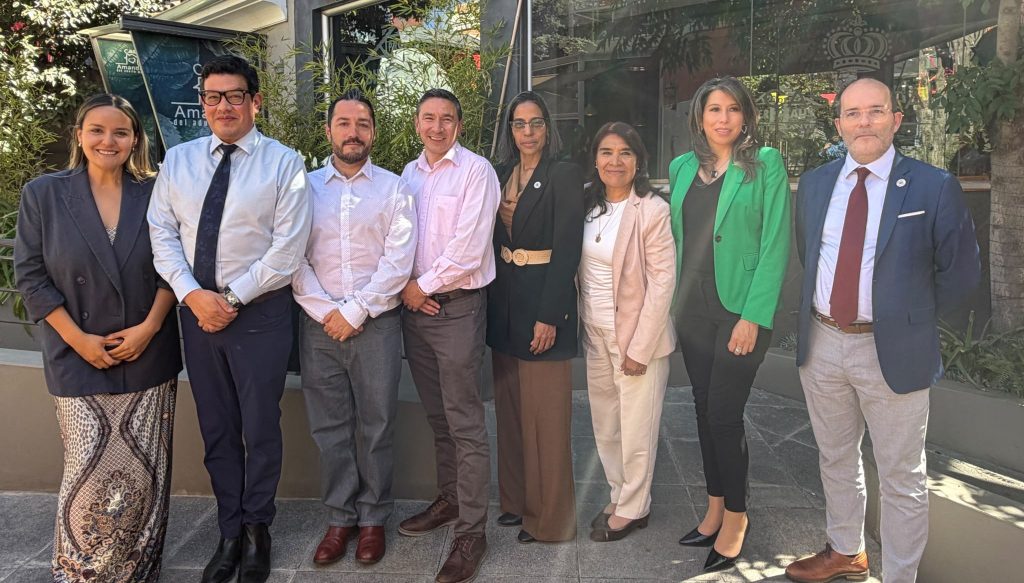
I also met with leading representatives of Bolivia’s private mining sector at a luncheon hosted by the Bolivia office of Friedrich-Ebert-Stiftung (FES), a German political foundation. FES in Bolivia facilitates Diálogos Mineros, a platform for dialogue and reflection on the challenges and future prospects of the Bolivian mining sector. Developed in collaboration with organizations such as Cumbre del Sajama and OLAMI Bolivia, the initiative brings together representatives from the private sector, public institutions, academia and civil society to discuss the sector’s economic, regulatory, environmental and geopolitical dimensions.
The exchange brought together Eduardo Torrecillas, Chief Operating Officer of Santa Cruz Silver Mining; Alfredo Zalles, Chief Executive Officer of Sociedad Minera Illapa; Hianny Romero, Vice President, Bolivia Operations, of New Pacific Metals Corp.; Ilse Beltrán Monasterios, Manager of the Asociación de Mineros de Bolivia; and Ana María Aranibar Jiménez, Manager of Cumbre del Sajama.
The luncheon built on this dialogue by offering participants an opportunity to learn about ISA’s mandate, work and the international regulatory framework governing mineral resources in the Area, while allowing me to hear directly about Bolivia’s mining landscape, priorities and future prospects. We discussed their business models and operational experience in a sector central to Bolivia’s economy, including the challenges that regulatory complexity, taxation and investment conditions present for exploration and development.
For ISA, these exchanges offer an important opportunity to learn from the experience of established mining businesses as Member States consider the framework for possible future exploitation in the Area. That learning must take account of the distinct environmental, technological and legal requirements of deep-seabed activities.
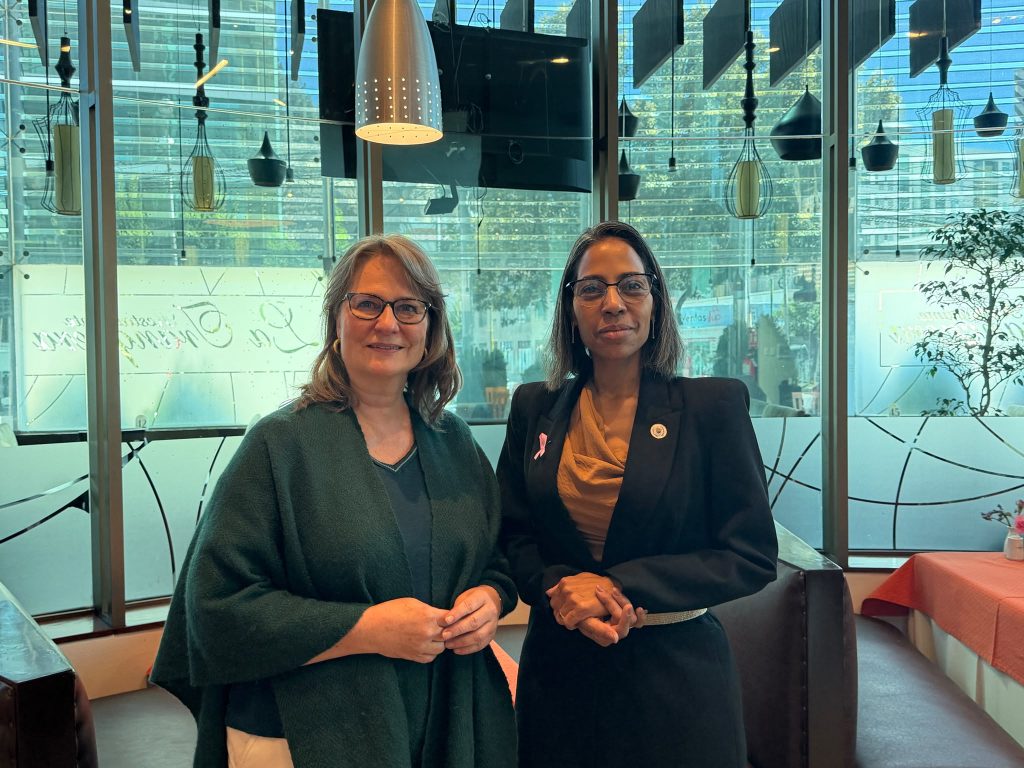
My meeting with United Nations Resident Coordinator Anna Marttinen Pont provided a valuable perspective on the country’s political and social situation. I appreciated her briefing and the insight she brought through her role in coordinating the United Nations development system in Bolivia. Her understanding of national planning and relationships across government and the private sector can help ISA identify where cooperation would be most relevant and which partners could contribute.
She offered to help identify experts who could participate in or collaborate with ISA initiatives and to disseminate relevant calls for proposals and capacity-development opportunities through the UN system. Our exchange highlighted the scope to reach national ministries, universities and scientific institutions, alongside private-sector stakeholders. The Resident Coordinator’s convening role can help connect this expertise with the Authority’s work and ensure that opportunities reach the institutions able to take them forward.
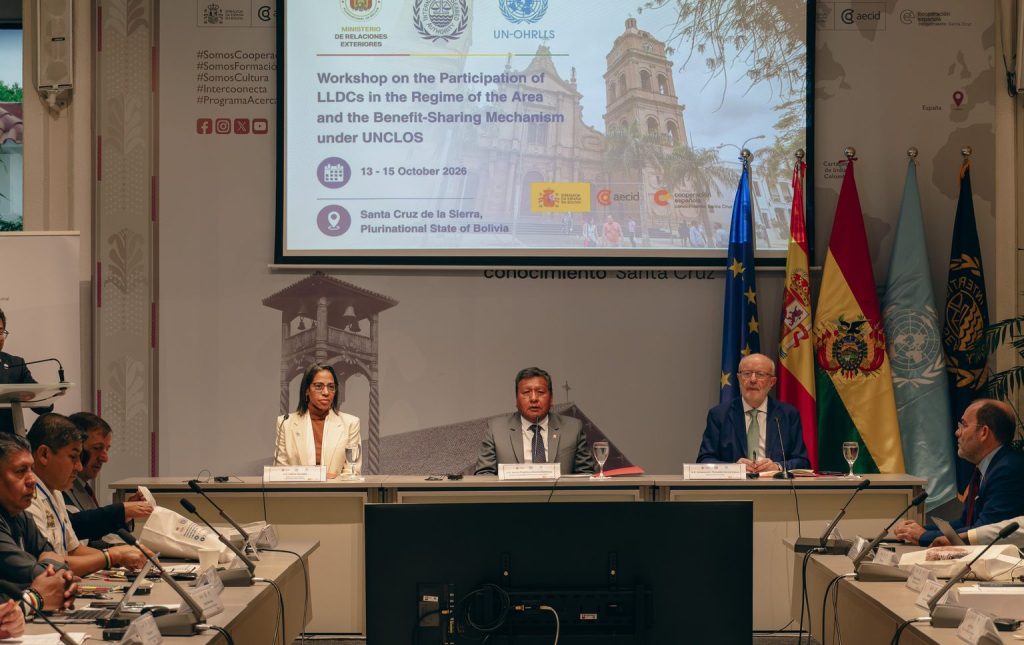
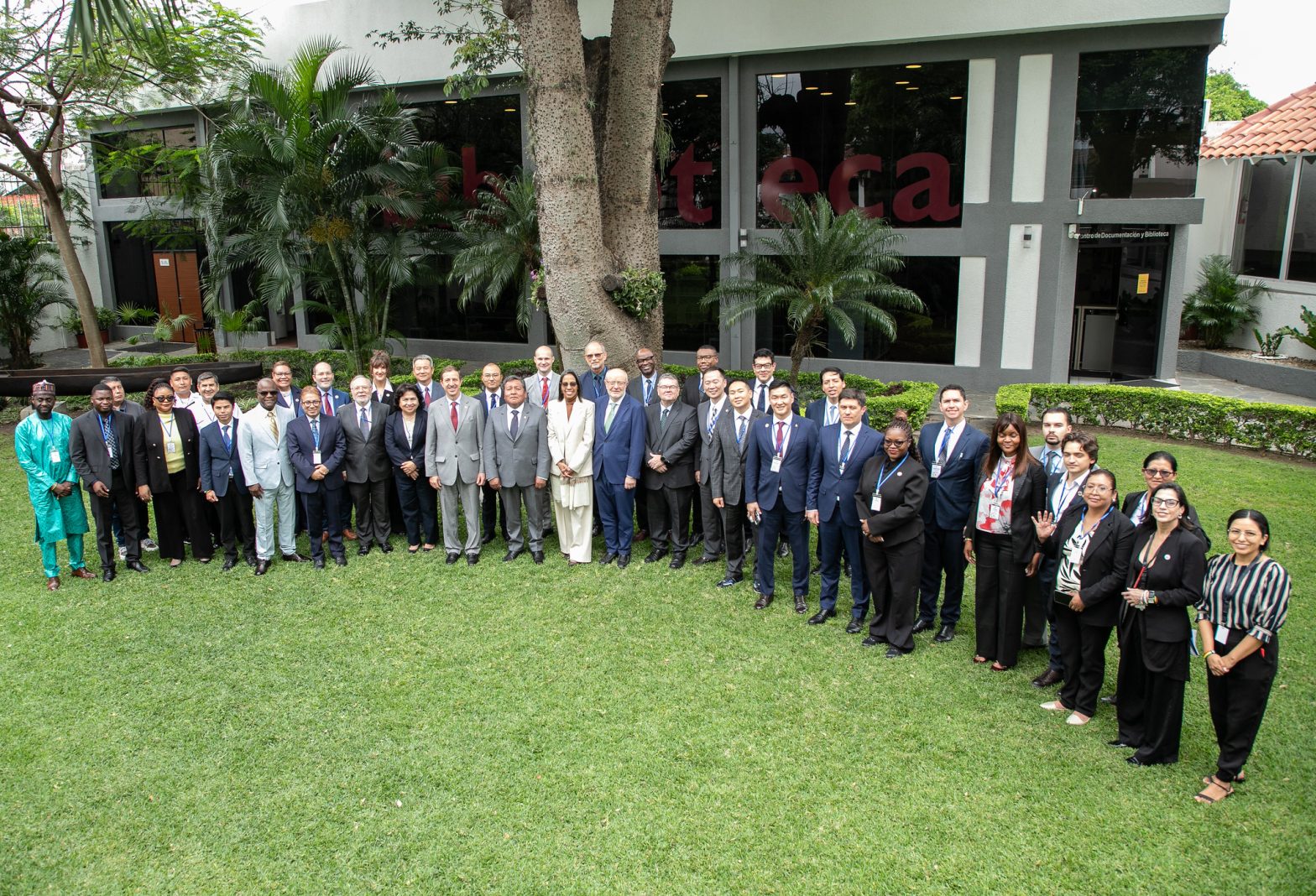
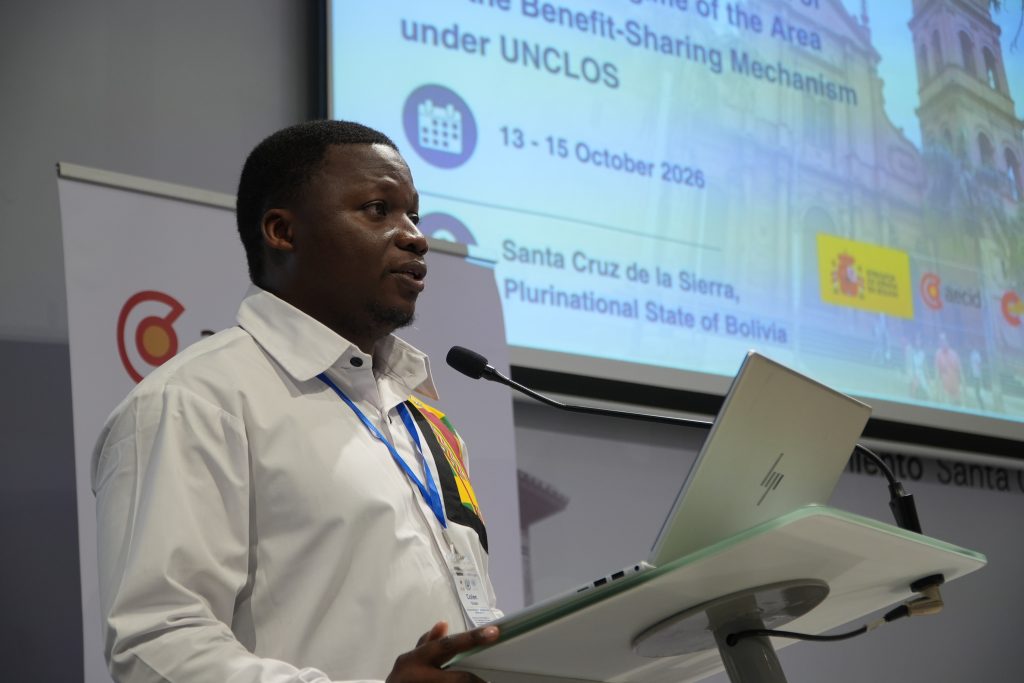
From La Paz, I travelled to Santa Cruz de la Sierra for ISA’s first workshop dedicated to the participation of landlocked developing countries in the regime of the Area and benefit-sharing mechanisms under the United Nations Convention on the Law of the Sea. Held from 13 to 15 October with the Government of the Plurinational State of Bolivia and the United Nations Office of the High Representative for the Least Developed Countries, Landlocked Developing Countries and Small Island Developing States (UN-OHRLLS), this event brought together representatives of 16 LLDCs from Africa, Asia and Latin America, alongside experts and partner institutions.
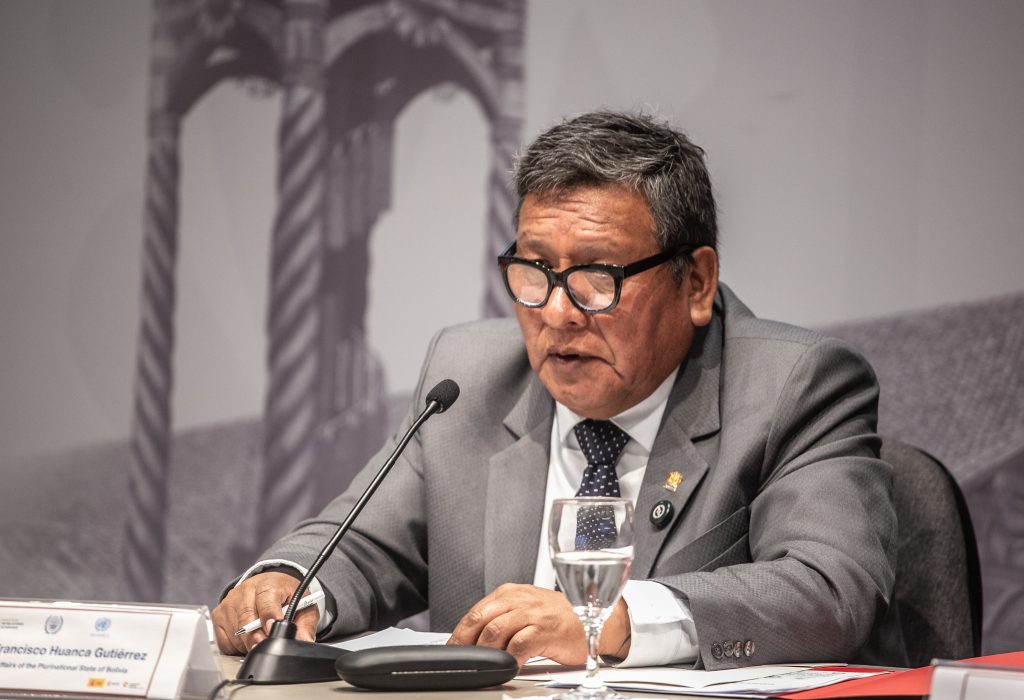
A particularly meaningful moment for me was the opening address by Bolivia’s Minister of Foreign Affairs, H.E. Mr. Héctor Huanca. He connected the rights recognized under the Convention with the development aspirations of landlocked countries, while emphasizing responsibility for the marine environment. I appreciated the breadth of his remarks. They brought our discussions back to the opportunities available to countries and the obligations we share towards future generations.
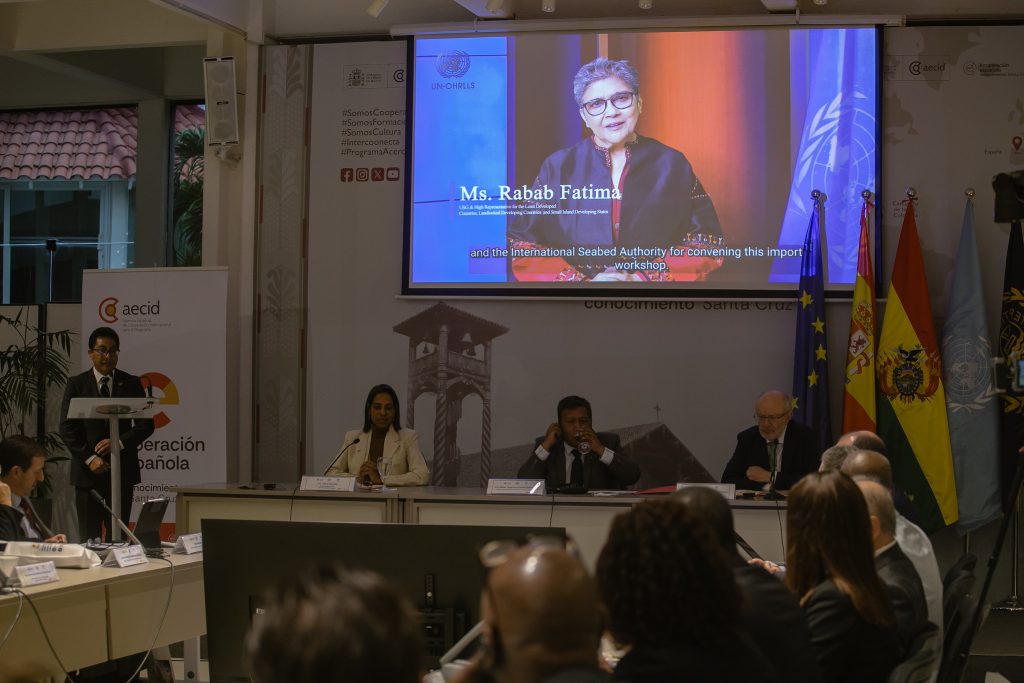
United Nations Under-Secretary-General and High Representative Rabab Fatima joined us through a video message, highlighting the connection with the Awaza Programme of Action and its emphasis on science, technology and innovation. Her contribution was an important reminder that our cooperation should respond to development priorities LLDCs have already identified for themselves.
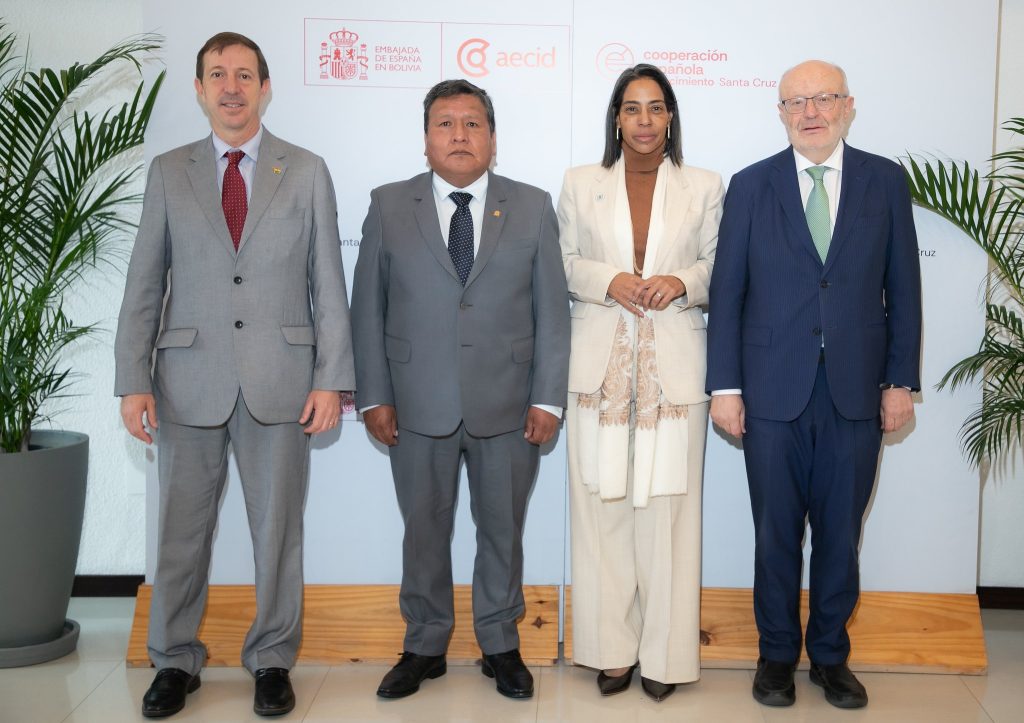
I also welcomed my exchanges with the Minister and with Spain’s Ambassador, Fernando García Casas, who addressed the opening. The Ambassador’s reminder that having no coastline should not mean exclusion from ocean governance captured the purpose of our gathering.
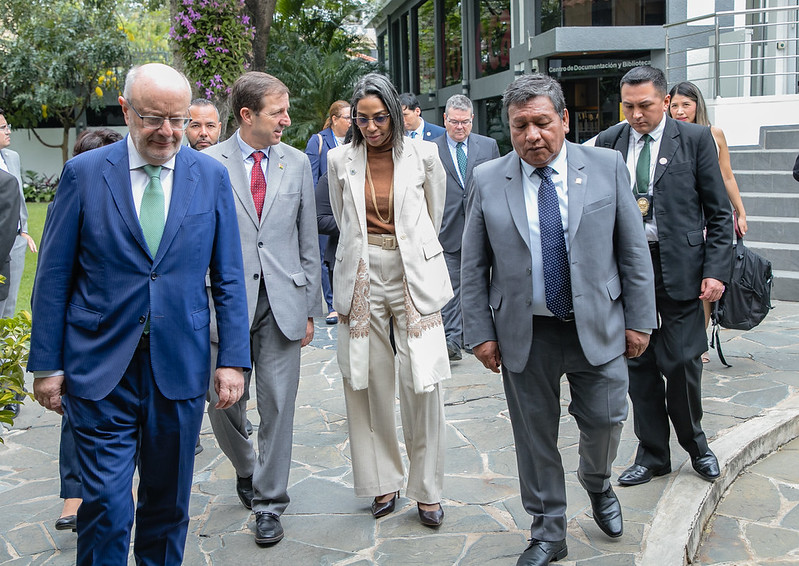 I am grateful for Bolivia’s leadership as Chair of the LLDC Group, for Zimbabwe’s engagement as the Group’s Thematic Coordinator on the Common Heritage of Humankind, and for the partnership of UN-OHRLLS and the Government of Spain, whose support through the Spanish Agency for International Development Cooperation (AECID) helped make these discussions possible.
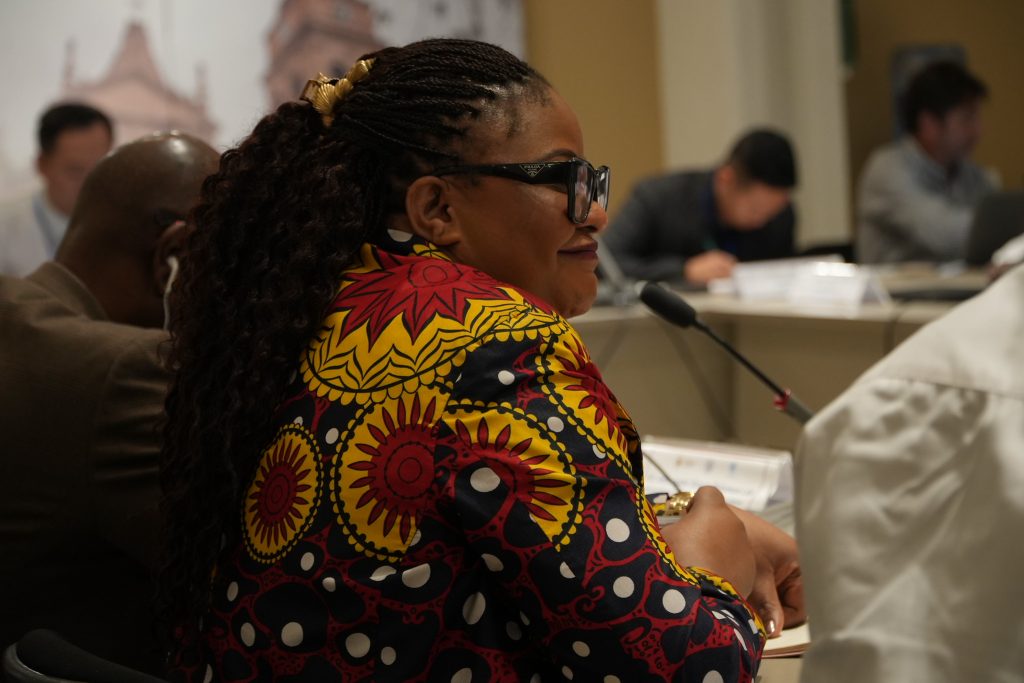 Throughout the workshop, we considered what effective participation requires. Scientific knowledge and training help officials assess the choices before them and contribute with confidence. Sustained engagement also depends on institutions that can retain that expertise and connect it with national priorities.
I am especially grateful to Professor Galo Carrera Hurtado, international consultant and former member of the Commission on the Limits of the Continental Shelf and ISA’s Legal and Technical Commission; Eden Charles, Interim Director-General of the Enterprise; and Anton Shapovalov and Vladimir Petrov, experts from the Russian Federation, for sharing their expertise and experience. These contributions helped delegations examine the legal, technical and economic questions before the Authority and consider their implications for national priorities. My sincere thanks also go to colleagues across the ISA Secretariat for their substantive contributions and dedication throughout the workshop.
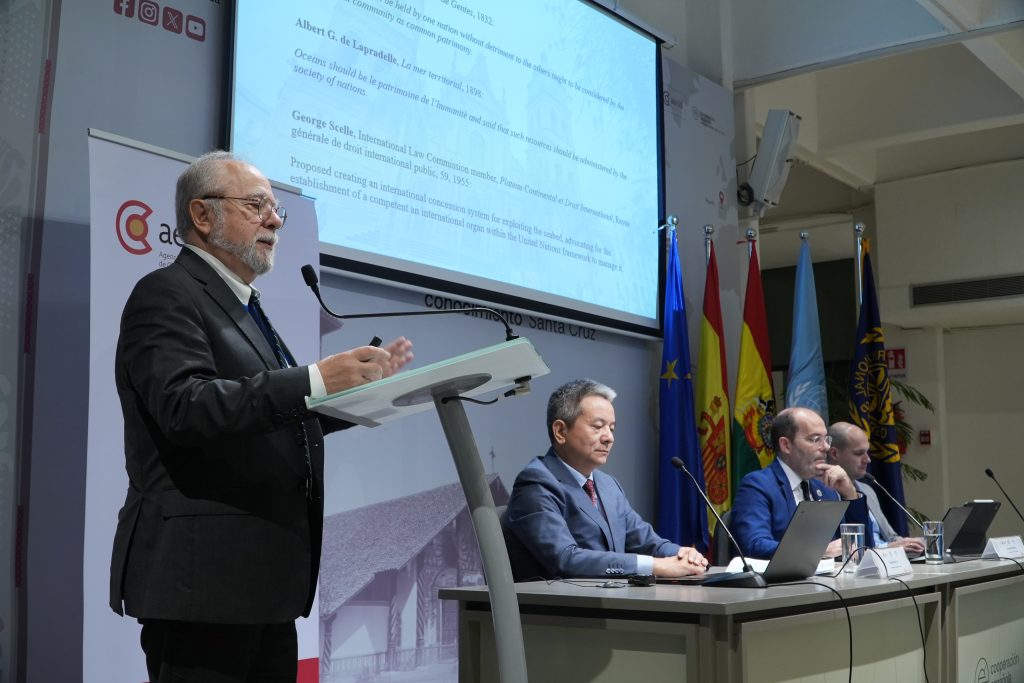
This matters now, as Member States shape the rules governing future activities in the Area and consider how benefits should be shared. LLDC perspectives need to inform these discussions. As Secretary-General, I see it as our responsibility to ensure that LLDCs have access to the knowledge and support they need to contribute effectively.
There is much to learn, too, from the institutions LLDCs have established themselves. The International Think Tank for Landlocked Developing Countries, hosted by Mongolia in Ulaanbaatar, is an important example. I see considerable value in closer exchanges that connect ISA’s specialized work with research grounded in the circumstances and development priorities of these countries.
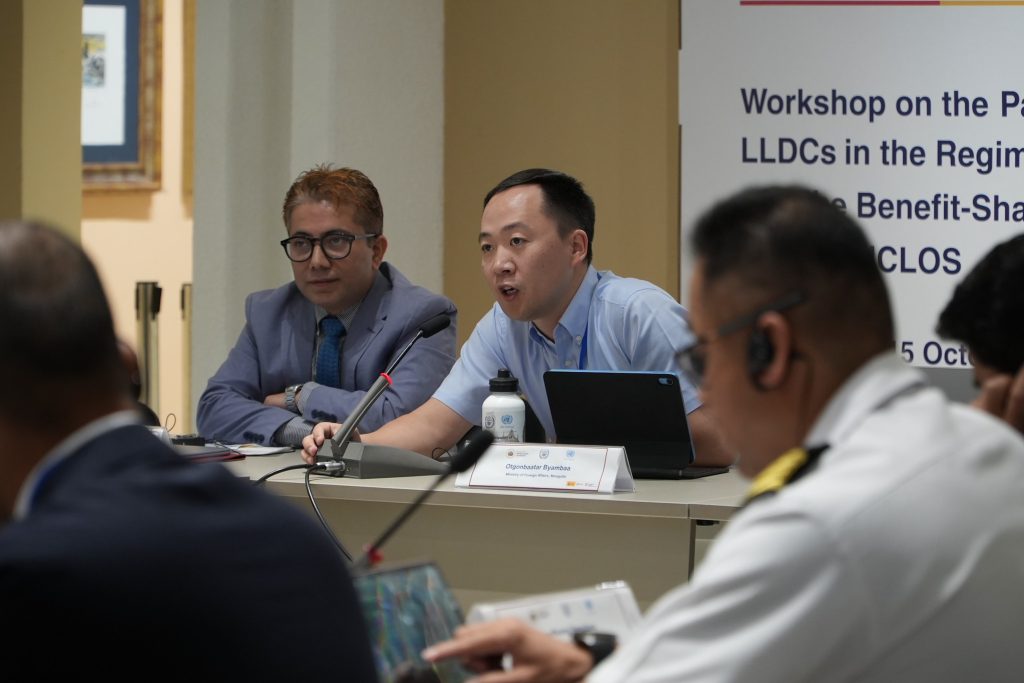
The Secretariat’s consultations with African LLDCs and with LLDCs that are also least developed countries pointed to a wider opportunity: strengthening their collective engagement in the Authority’s work. These countries have shared interests in how the regime develops and how its benefits are distributed. Closer coordination can help ensure that these interests carry greater weight in our deliberations. Cooperation with the African Union and UN-OHRLLS can support that engagement and help sustain the political attention it requires.
What encouraged me most in Santa Cruz was the willingness of participating countries to look beyond the workshop. The discussions moved beyond understanding the rights and opportunities provided by UNCLOS towards identifying how countries could pursue them together. The Santa Cruz Roadmap, adopted by participating delegations, brings these priorities into a framework for continued cooperation, connecting LLDC engagement in the Authority with the Awaza Programme of Action.
The Roadmap identifies work on benefit-sharing and the implementation of Article 82, alongside opportunities to strengthen national expertise through training and scientific cooperation. It also recognizes that sustained participation requires connections between Permanent Missions and the ministries, geological services, universities and research institutions in capitals. These institutions bring knowledge that can inform the Authority’s work and help countries develop their own contributions to the discussions.
 For me, the significance of the Roadmap lies in this connection between knowledge and participation. It provides a basis for countries to organize their engagement, identify partners and mobilize support for priorities they have set themselves. It remains open to all LLDCs, including those unable to attend Santa Cruz. Our task now is to work with them to agree a practical programme, establish responsibilities and review progress, so that the commitment expressed in Bolivia leads to sustained involvement in the governance of our common heritage.
I am already pleased to see the next steps taking shape, including a proposed December meeting with LLDC Permanent Representatives in New York in preparation for the handover from Bolivia to Turkmenistan, whose chairmanship begins in January 2027. This would bring the wider Group into the discussion, including countries that could not attend Santa Cruz, and help carry the work forward across the change of chairmanship.
My sincere thanks go to our Bolivian hosts, UN-OHRLLS, and Spain and the AECID Training Centre. I am grateful to the delegates and experts who shared their knowledge so generously, and to the colleagues whose dedication supported every stage of the mission.
I left Bolivia encouraged by the possibilities ahead and conscious of our shared responsibility to pursue them. The Convention gives particular consideration to the interests and needs of developing countries, including landlocked States. Honouring that commitment requires sustained effort from the Secretariat, Member States and our partners.
Every State Party must have a meaningful opportunity to participate effectively in the implementation and further development of the regime governing the Area and its resources. As Secretary-General, I am committed to supporting that participation, and I look to our wider membership to do the same. This is how we give practical meaning to the common heritage of humankind.
Leticia Carvalho,
Madam Secretary-General of the International Seabed Authority.
For a fuller account of the workshop discussions and priorities for cooperation, see Strengthening LLDC Participation in the International Seabed Authority: Report of the Bolivia Workshop and High Level Engagement.