
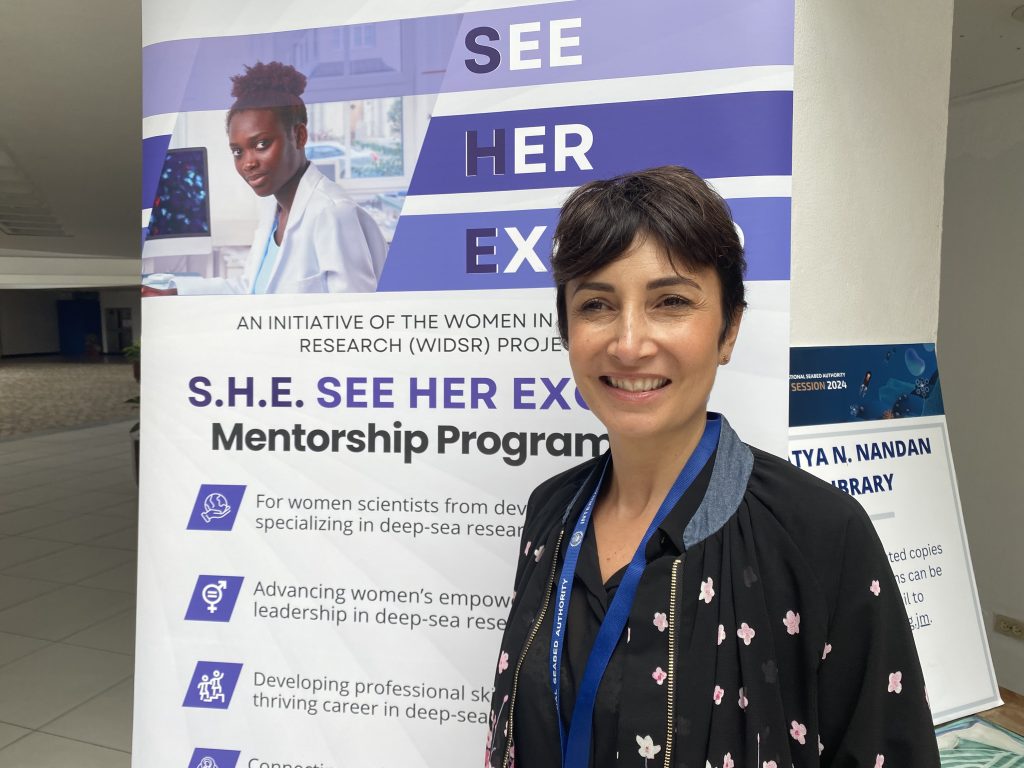
See Her Exceed (SHE) Mentorship Programme
An initiative of the Women in Deep-Sea Research (WIDSR) project
The SHE Mentorship Programme is a 12-month initiative launched in 2023 under the WIDSR Project to meet the need for tailored capacity development and gender equity in deep-sea research.
Latest News:
ISA Launches Gender Compact to Advance Women’s Leadership at Sea
To celebrate International Youth Day, ISA announces Geologist Malena Palmieri as SHE Champion
The pilot cohort included eight mentees from across Africa and Asia, each paired with a senior mentor from a diverse professional and geographic background. See the Mentees tab for the full list of participating countries.
Application and Selection
The call for applications remains open for a minimum of two months, inviting candidates to apply.
Selection and matching: The Secretariat, in collaboration with the programme’s champion and partners from OHRLLS, jointly assesses applications and selects candidates based on the criteria set out in the call for applications. Selected mentees are then matched with a mentor from our approved panel of experts.
Programme Structure
- Kick-off meeting: Mentees and mentors meet to establish the foundation of their mentoring relationship.
- Goal setting: Mentees outline three goals for personal, professional, and scientific development, aligned with the ISA Marine Scientific Research (MSR) Action Plan.
- Mentoring sessions: Mentees and mentors take part in eight online sessions over the course of the programme, with feedback loops to refine the mentee’s goals as needed.
- Mid-term workshop: An in-person workshop is planned for the programme’s midpoint to facilitate the exchange of best practices, networking, and connections with other stakeholders in the field, subject to sponsorship or project funding.
Capacity Building and Development
Personal and professional development: Mentees take part in targeted capacity-building sessions to strengthen personal and professional skills.
Programme Evaluation
Midpoint and endpoint evaluations: The programme is assessed continuously, with midpoint and endpoint reviews to confirm it meets its objectives and to inform continuous improvement.
Winding Down
Annual conference: Mentors and mentees may have the opportunity to meet face-to-face at scientific conferences held during the year.
Symposium: Towards the end of the programme, mentees and mentors come together for a symposium where mentees showcase their work, discuss outcomes, and share their experiences. Both of these activities are subject to sponsorship.
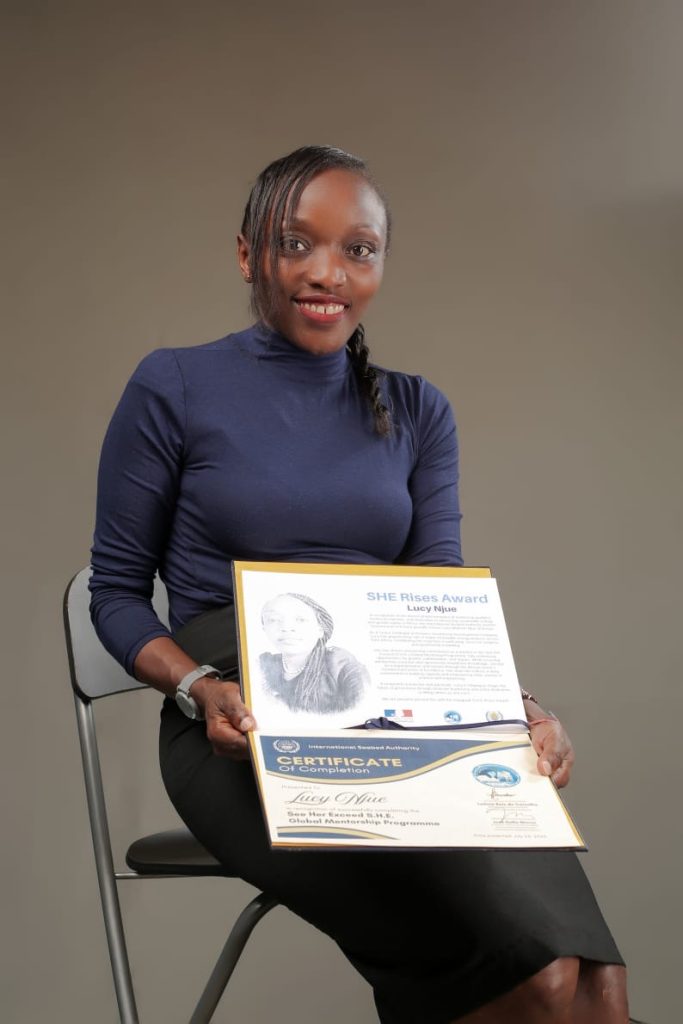
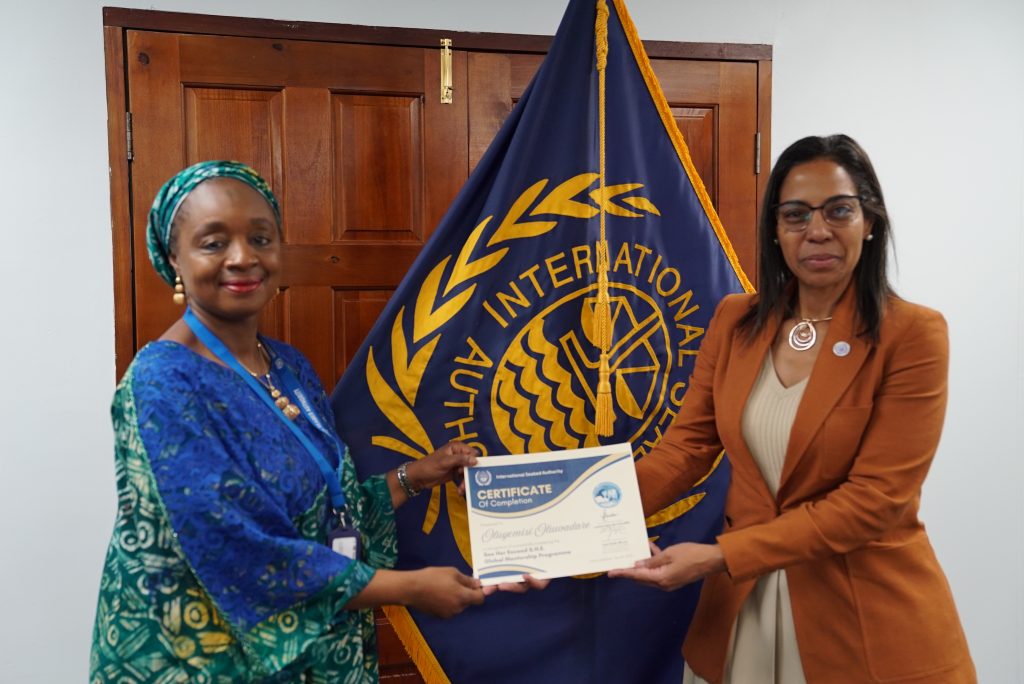
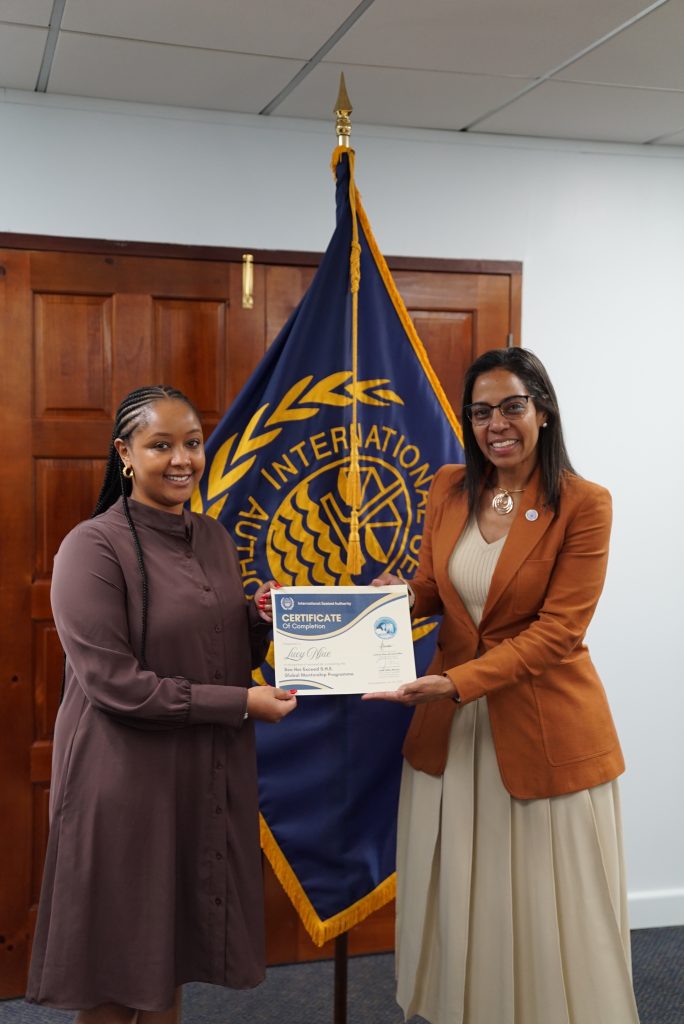
Certificates: At the end of the cycle, mentees receive a certificate of participation.
The pilot concluded successfully in December 2025. A new phase begins in 2026 — see the About tab for details.
Our mentors are senior, experienced professionals — women and men — from deep-sea research disciplines and careers, active in academia or industry.
Mentors provide guidance, advice, and counsel to support mentees in reaching their development goals. As a role model, the mentor provides resources and opportunities for the mentee’s development, shares their professional network, helps set high but achievable goals, and monitors progress, providing feedback along the way.
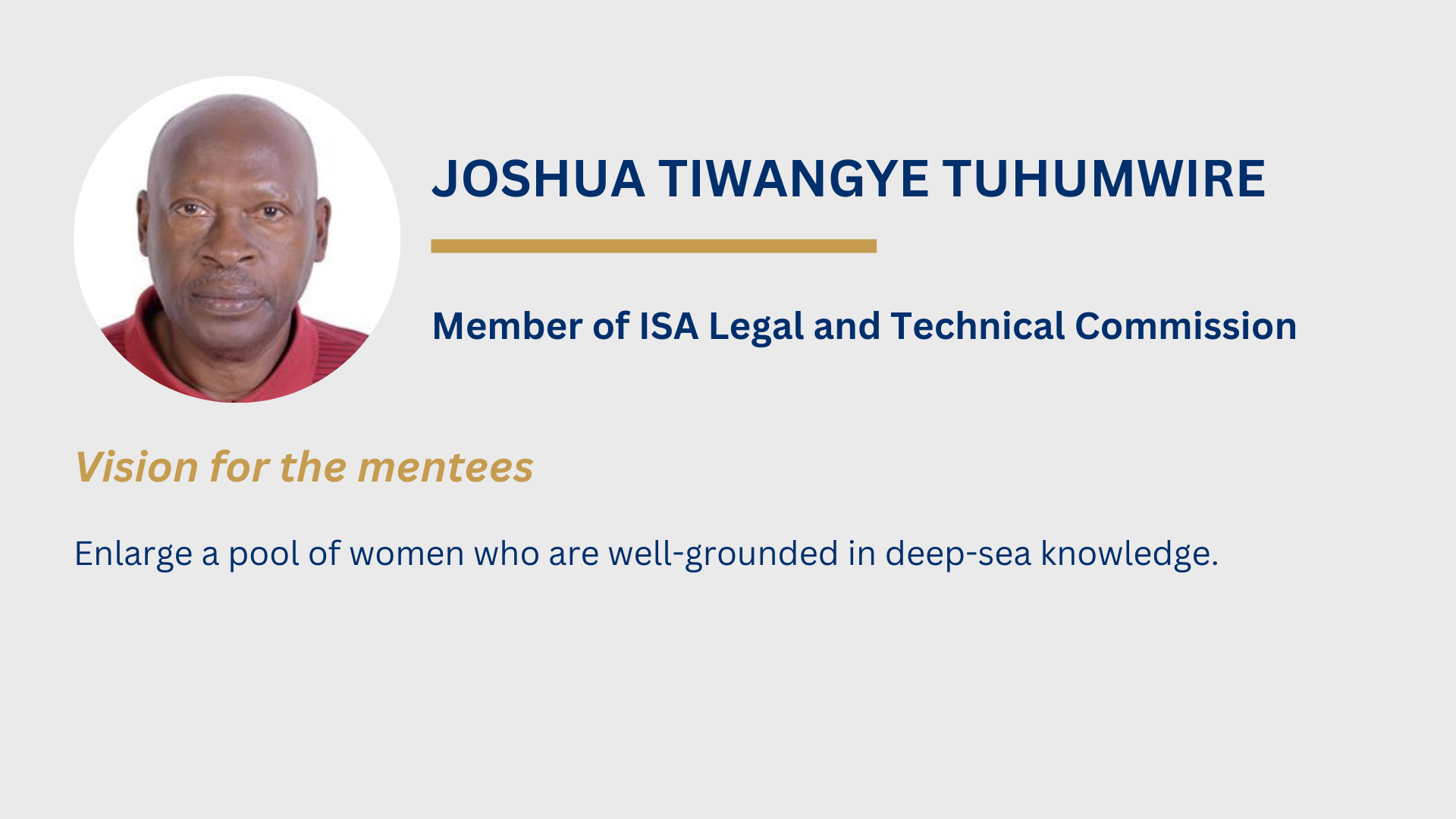
About Joshua
Mr. Tuhumwire a Ugandan geologist and graduate of Makerere University, Uganda, and Vrije Universiteit Brussel, Belgium. He joined Uganda’s civil service as a junior geologist at the Department of Geological Survey and Mines in 1980. He spent the next 30 years at the same institution until my retirement in 2010. Mr. Tuhumwire undertook various geological mapping and mineral exploration work at the start of his career. Later, he joined the senior management, planning and supervising projects, eventually heading the institution for ten years. He had a stint consulting in mineral exploration and serving the corporate world in Uganda’s nascent oil and gas sector. From 2007 to 2020, Mr. Tuhumwire was involved in the United Nations World Ocean Assessments (WOA), initially in the assessment of assessments and later in the WOAI and WOAII as a member of the group of experts. He has been a member of the Legal and Technical Commission of the International Seabed Authority since 2017.
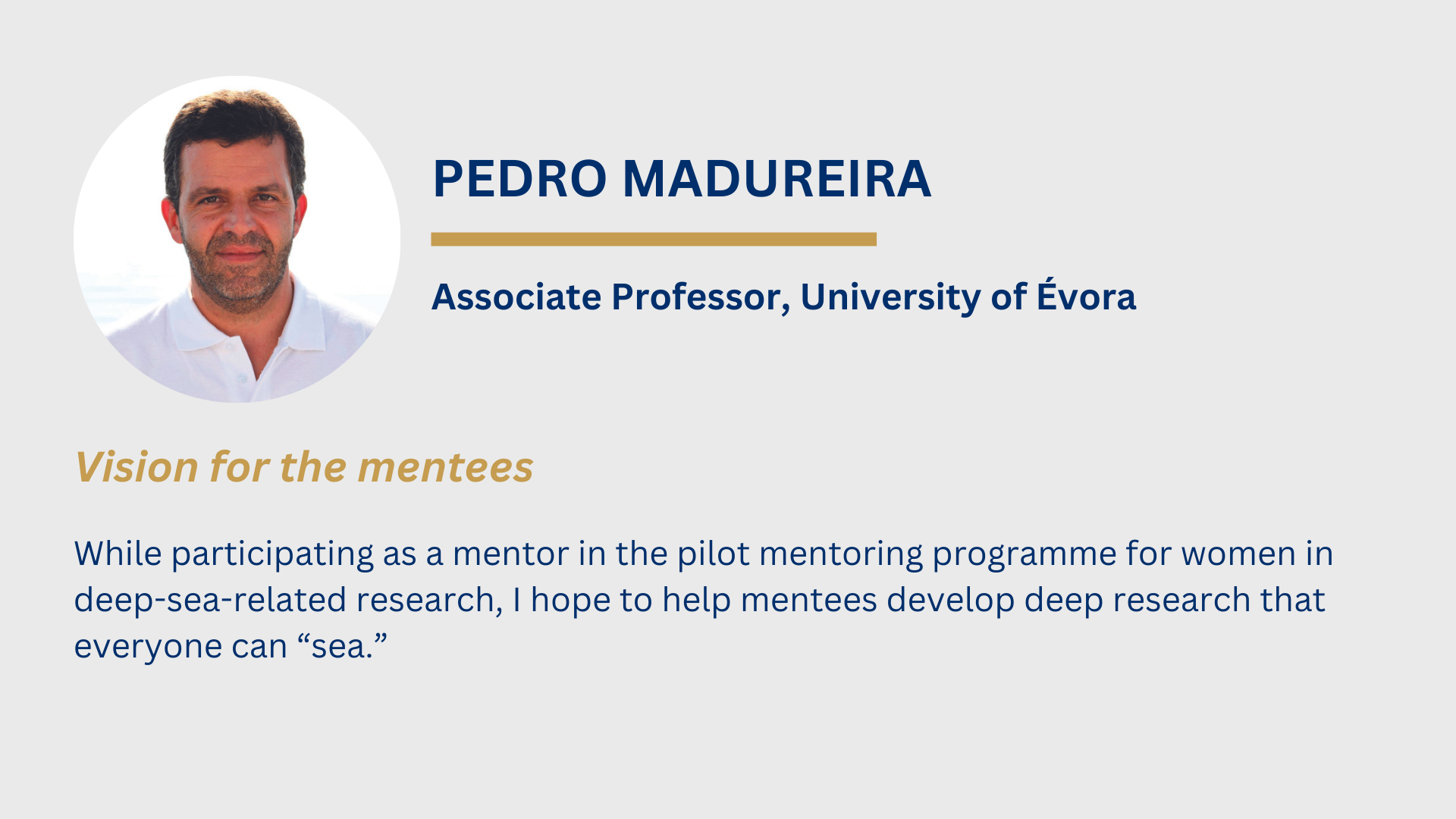
About Pedro
Dr. Pedro Madureira is an associate professor at the University of Évora, Portugal. He is the deputy head of the Task Group for the Extension of the Portuguese Continental Shelf and the scientific and technical coordinator of the Continental Shelf Project. Dr. Madureira was the principal investigator of several oceanographic campaigns in the North Atlantic throughout his career. From 2012 to 2022, Dr. Madureira served as a member of the Legal and Technical Commission of the International Seabed Authority. His main academic interests include the evolution of volcanic islands, the formation and distribution of deep-sea mineral resources, the marine environment and deep-seabed exploration.
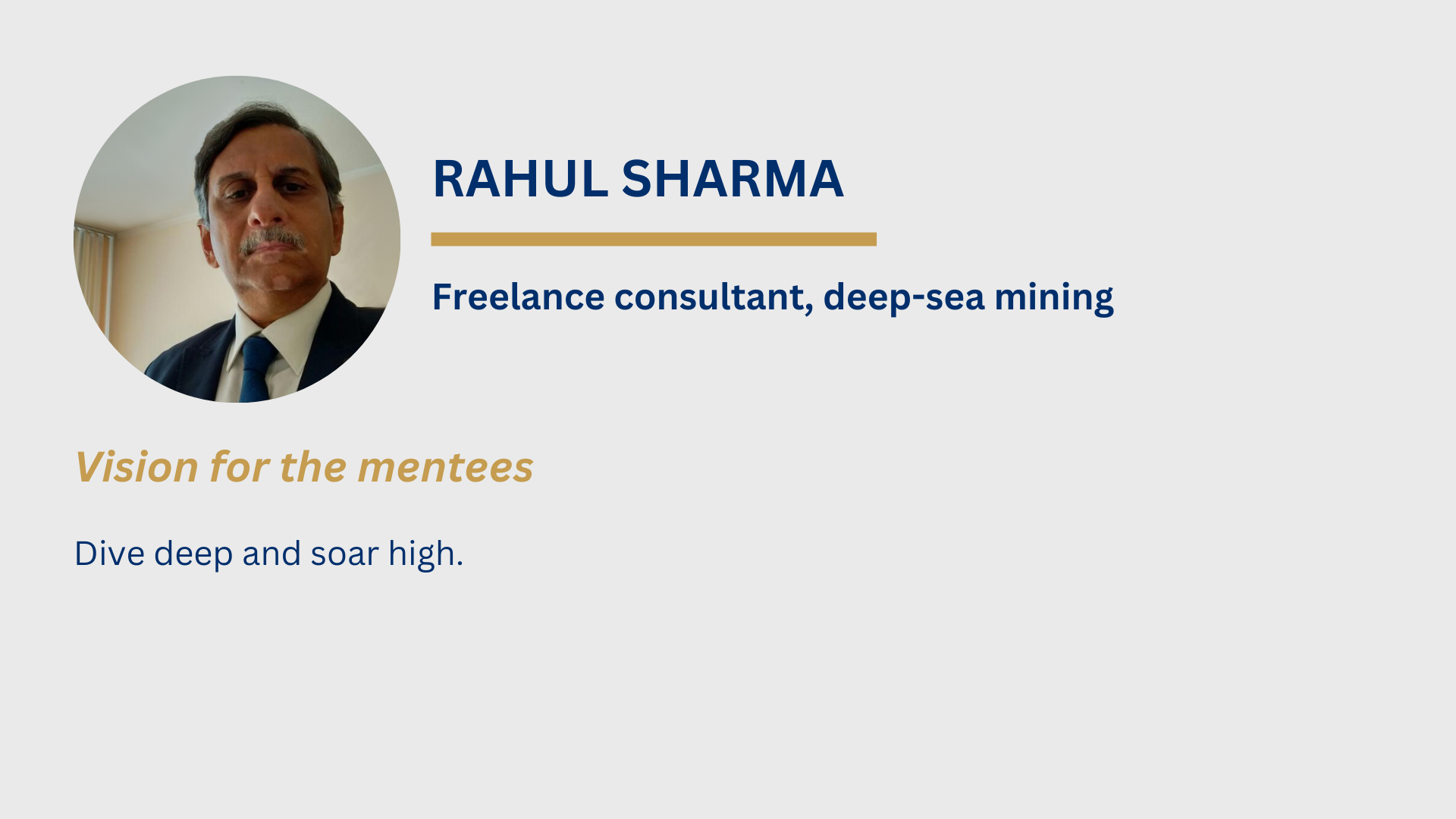
About Rahul
Dr. Rahul Sharma is a former chief scientist of the National Institute of Oceanography, Goa, India. With an experience of almost 40 years in the field of exploration and exploitation of deep-sea minerals, he is currently a freelance consultant in deep-sea mining. His academic oeuvre includes more than 65 papers and articles in international scientific journals and books, including the Oxford Encyclopedia, presenting papers at about 60 conferences around the world and serving as an editor for three special issues of international journals and three books on deep-sea mining by Springer. Dr. Sharma’s professional assignments include engagements as a visiting scientist to Japan, a visiting professor to Saudi Arabia, a member of the UNIDO mission to assess the status of deep-sea mining technologies in Europe, the USA and Japan, and a consultant to the International Seabed Authority, Jamaica. In addition to his research career, he has been involved with several activities relating to science communication and outreach and training programmes for international participants, professionals and students.
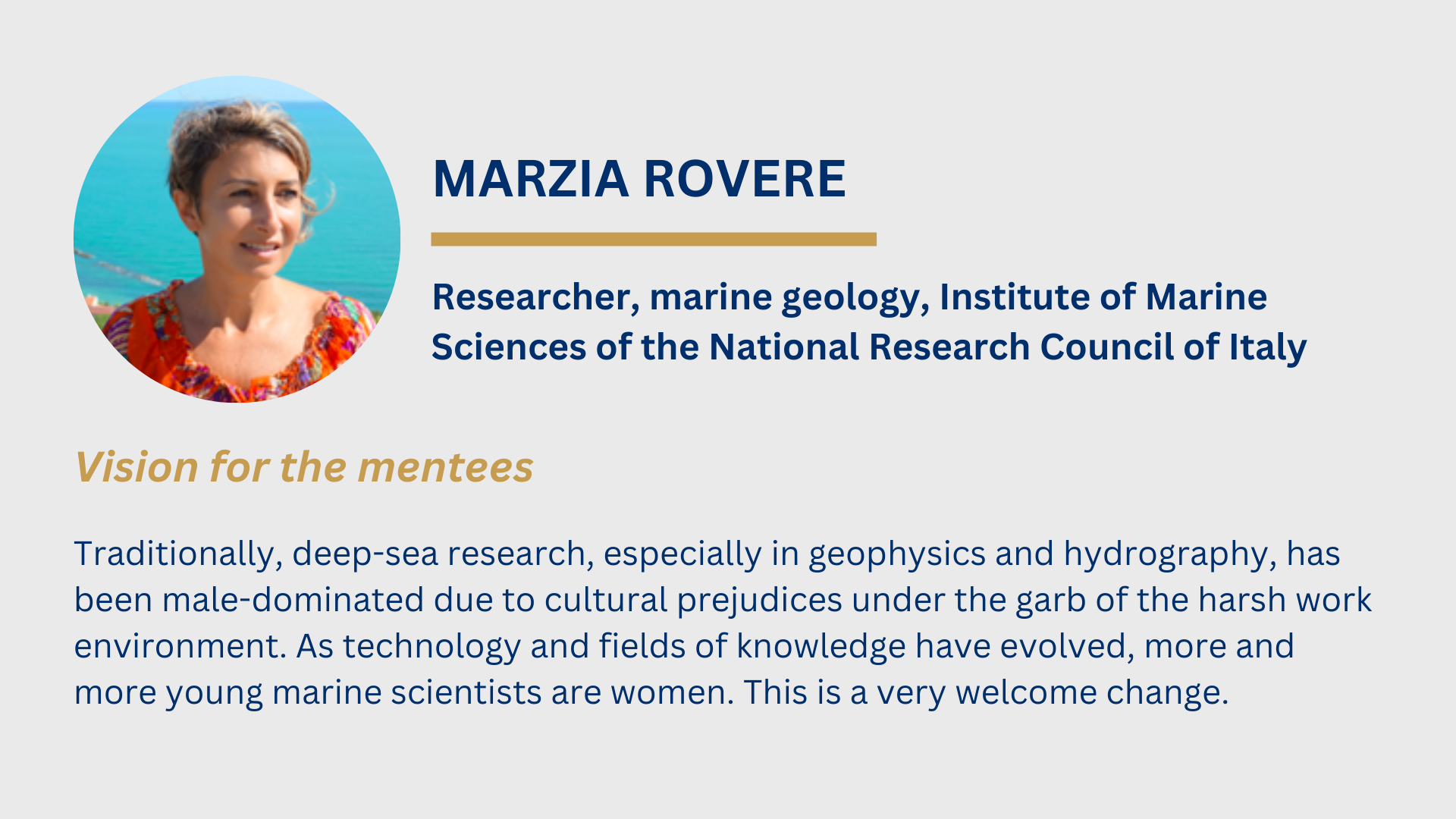
About Marzia
Dr. Marzia Rovere has a PhD in earth sciences and works as a researcher in marine geology at the Institute of Marine Sciences of the National Research Council of Italy. Her scientific research deals with the seafloor and sub-seafloor mapping topics, including submarine landslides and their potential to trigger tsunamis, sediment transport in coastal and slope areas, fluid flow along faults, including the threat they pose to offshore installations. Her interests also focus on marine georesources, including aggregates on continental shelves, cold seeps and hydrothermal habitats. Dr. Rovere participates in several EU projects, including EMODnet Bathymetry, where she coordinates the Central Mediterranean DTM contribution. She is a vice chair of the joint IOC-IHO GEBCO Guiding Committee and served as a member of the Legal and Technical Commission of the International Seabed Authority in 2015-2016. Dr. Rovere was a chief scientist on dozens of oceanographic cruises in the Mediterranean and the Atlantic Ocean.
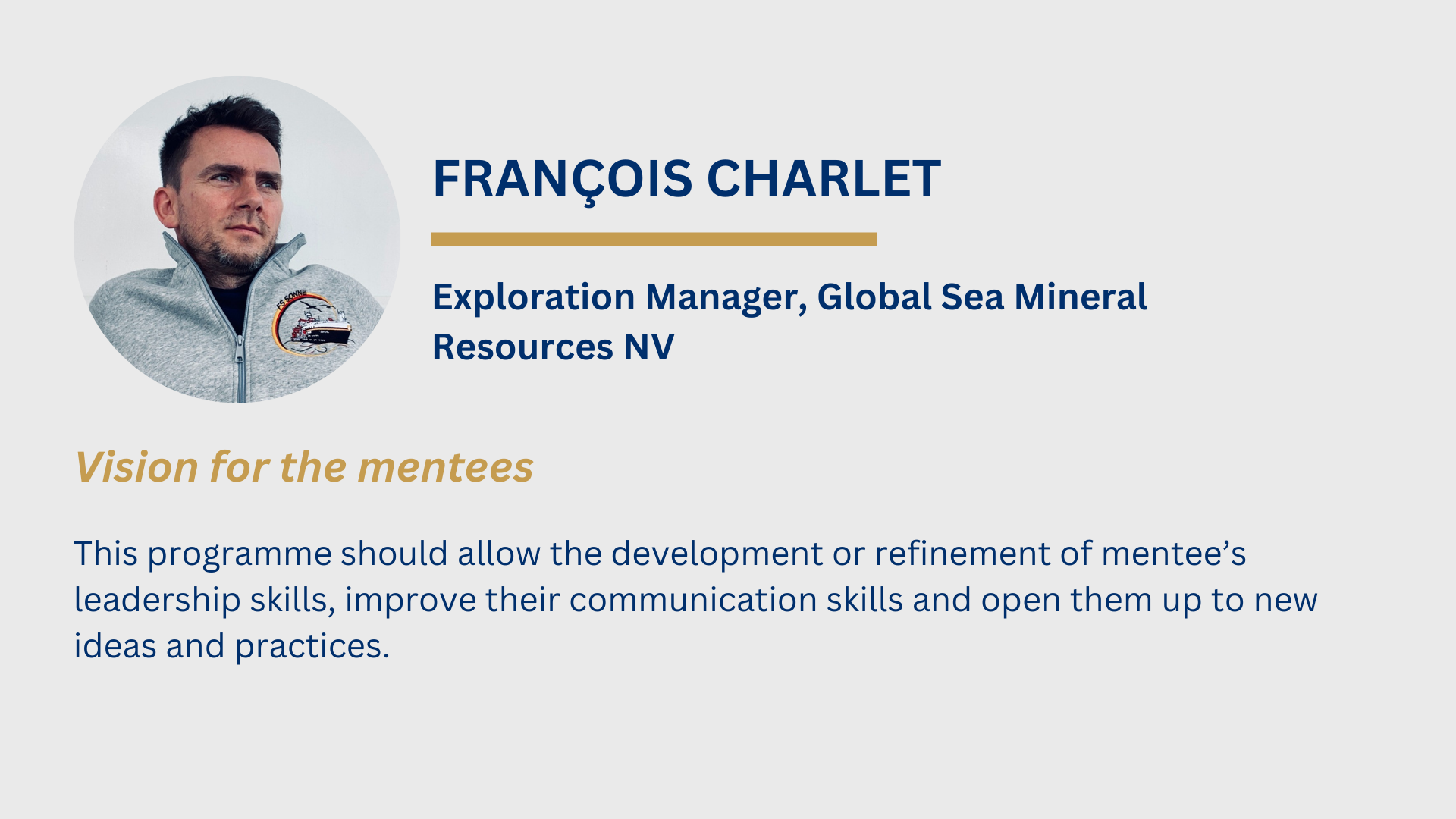
About François
François Charlet, currently exploration manager at Global Sea Mineral Resources NV, oversees the offshore campaigns related to resource definition and environmental baseline studies. After studying marine geology and sedimentology in France where he obtained his master’s degree from the University of Lille I, Mr. Charlet began his professional career in Belgium, as a research assistant at the Renard Center of Marine Geology, Ghent University. In 2005, he joined the DEME-Group as a marine geologist, and worked mainly on soil investigations worldwide, as part of foreign dredging and environmental projects. In 2013, he joined Global Sea Mineral Resources NV as an exploration manager to lead exploration and research expeditions at sea. Up to now, he has led and participated in eight offshore campaigns in the Clarion-Clipperton Zone, Pacific Ocean, and Cook Islands, EEZ.
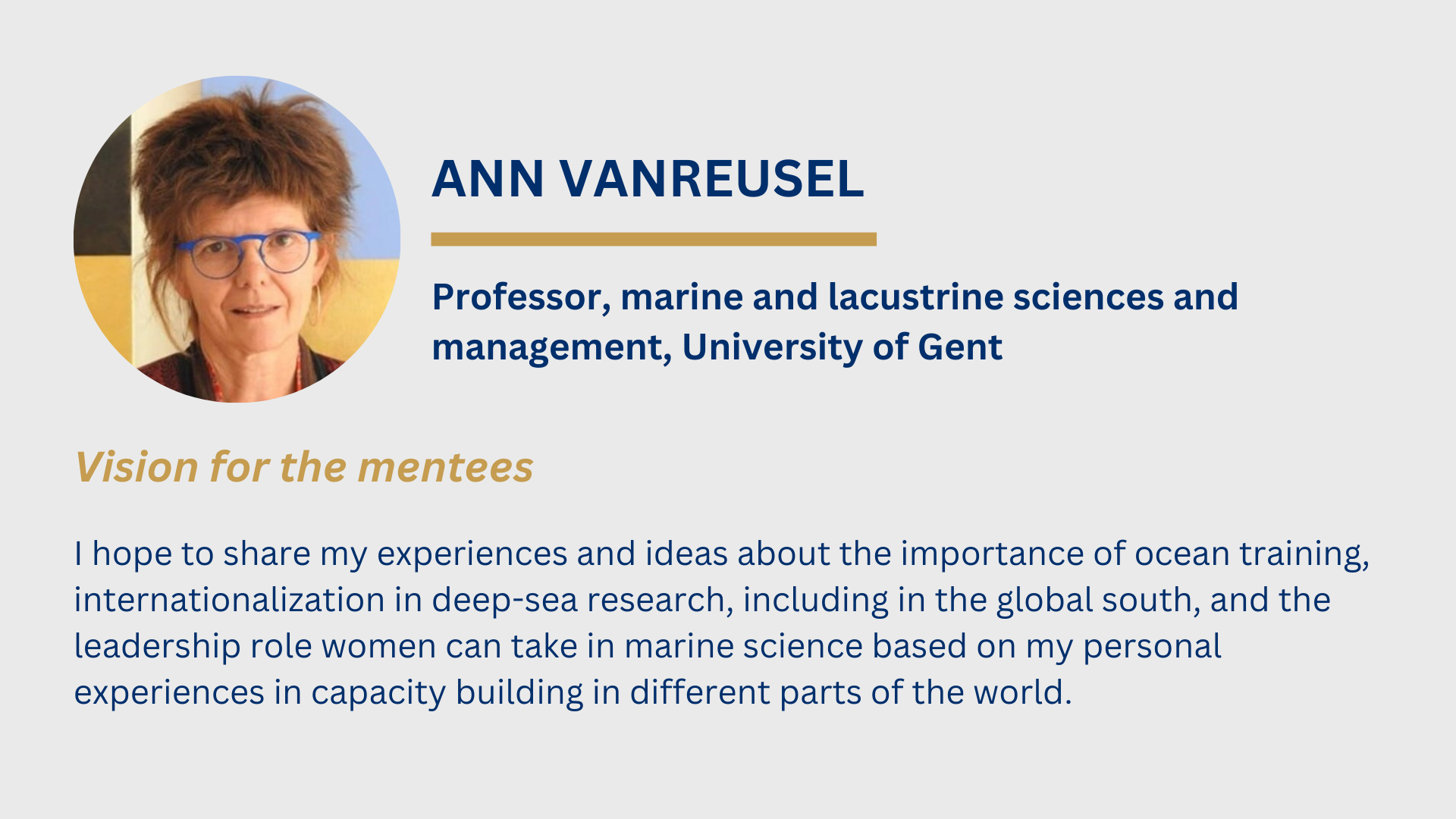
About Ann
Dr. Ann Vanreusel studied biology at Hasselt University and completed her licentiate studies at the University of Ghent, Belgium. She joined the research group in marine biology and started a PhD on the ecology of meiofauna in coastal environments. As a post-doctoral researcher at the University of Ghent, she focused on deep-sea research, especially in the context of various European projects. Dr. Vanreusel has more than 250 scientific publications in this field and was a principal scientist during various research campaigns on the European margins, from Portugal to Ireland. Dr. Vanreusel is a full professor at the University of Ghent, where she teaches and co-organizes the inter-university course in marine and lacustrine sciences and management. She supervised more than 20 PhD students in her career.
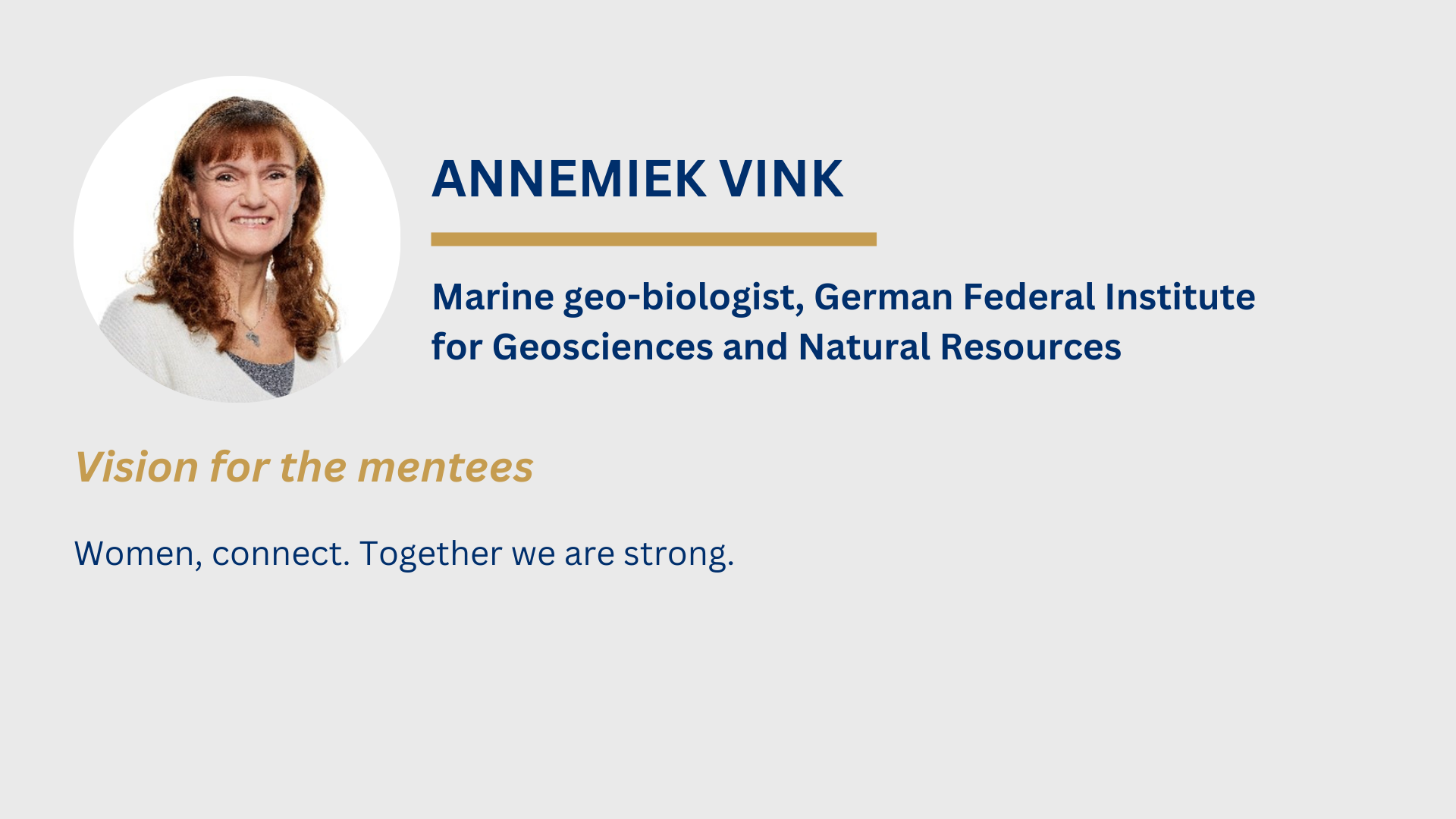
About Annemiek
Dr. Annemiek Vink is a marine geobiologist working as a manager of a project to explore polymetallic nodules in the German Federal Institute for Geosciences and Natural Resources contract area in the Clarion-Clipperton Zone. Her focus is on collecting adequate environmental baseline data and analyzing the potential impacts of nodule exploitation on faunal communities and ecosystems (e.g., due to nodule removal, sediment plume dispersion and settling). Dr. Vink has participated in several research and exploration cruises into the Clarion-Clipperton Zone since 2013. One of the major aims of the project is to work closely with renowned scientific institutions in Germany and abroad to guarantee professional, scientific input to the exploration project and to provide sampling and data-sharing opportunities to the stakeholder community. This creates effective synergies and focused outputs that are valuable from a science perspective and would also help inform policy and the development of robust regulations related to deep-sea mining and environmental management.
The SHE Mentorship Programme targets women scientists from developing countries engaged in deep-sea-related science. The pilot cohort included eight mentees from across Africa and Asia — Kenya, South Africa, Tunisia, Nigeria, Tanzania, Egypt, and Indonesia — mentored by eight senior experts from diverse professional and global backgrounds.
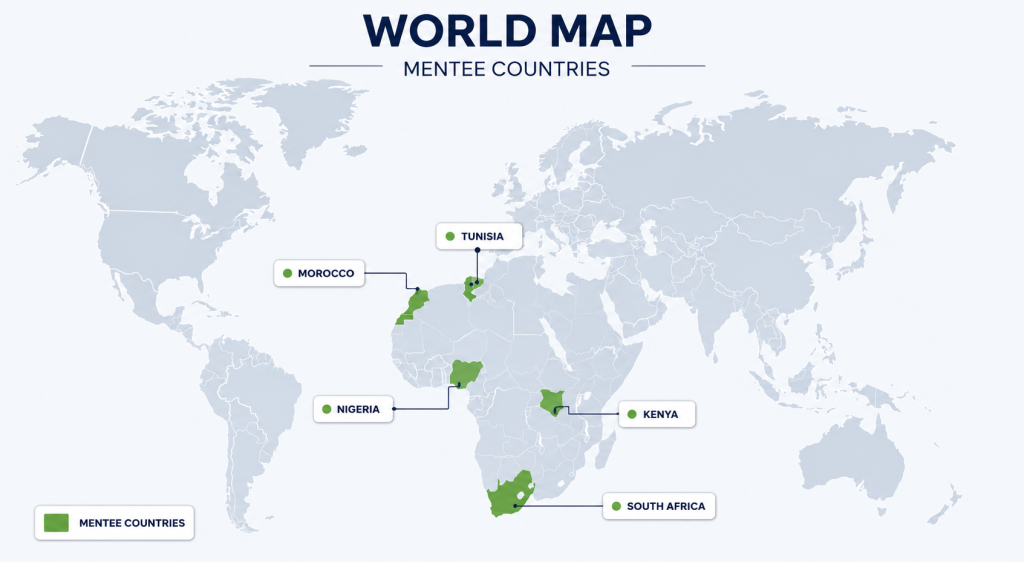
Meet our mentees
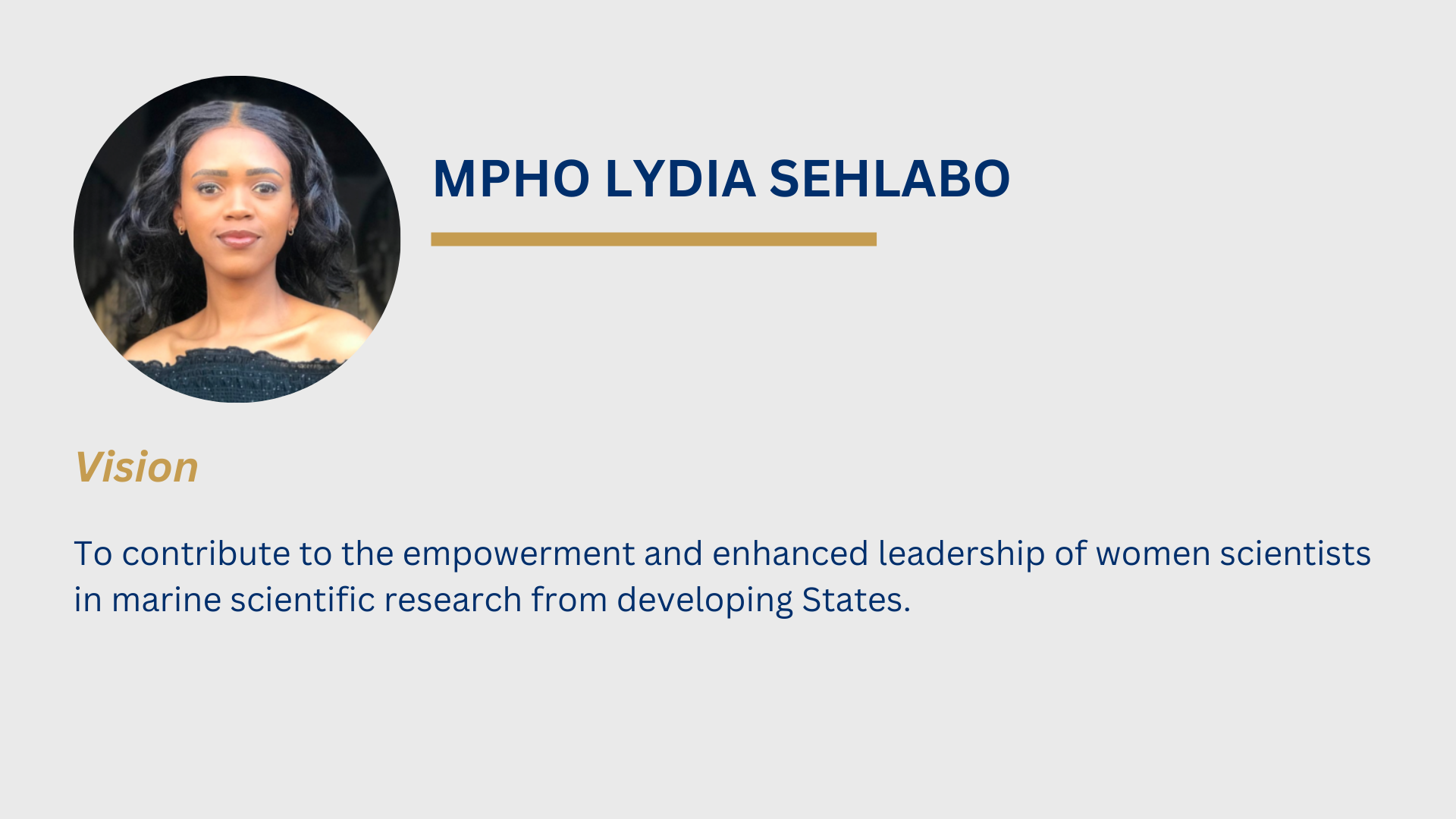
About Mpho
Mpho Lydia Sehlabo has a multidisciplinary educational background, which includes a BSc in Marine Biology and Ocean and Atmosphere Science from the University of Cape Town. Mpho demonstrates a passion for oceanography and environmental research. She has served in various leadership roles throughout her academic journey and has shown entrepreneurial acumen. Mpho’s employment history includes various roles at the University of Cape Town. Outside of her academic and professional pursuits, Mpho enjoys poetry, literature, and volunteering at non-profit organisations. Mpho is the Founder and CEO of the Mpho Sehlabo Foundation donating essentials to students experience funding crises.
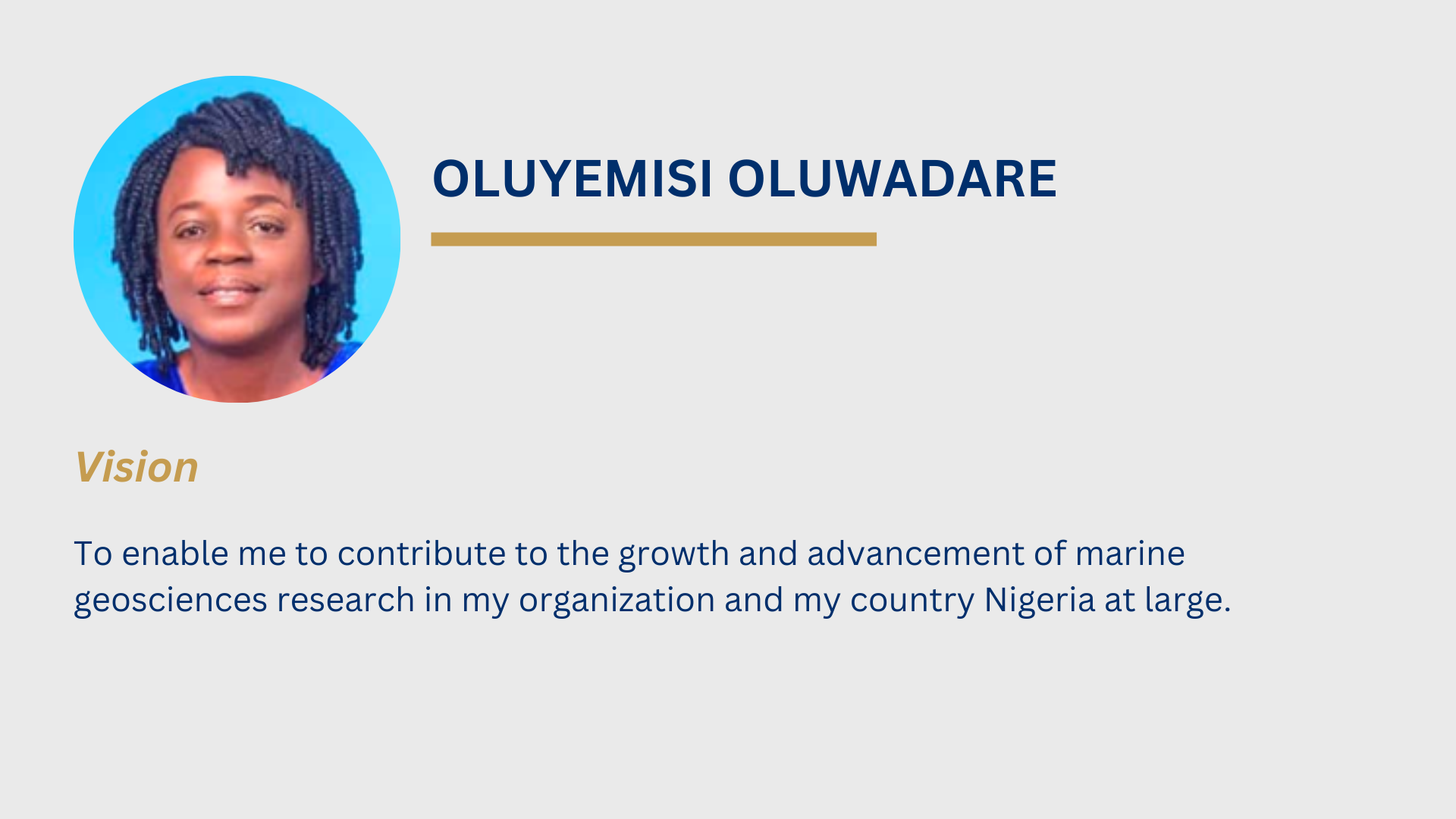
About Oluyemisi
Oluyemisi Oluwadare is a Geochemist and Economic Geologist with over 20 years of experience in research and fieldwork. Currently serving as Assistant Director at the Nigerian Geological Survey Agency in FCT, Abuja, Oluyemisi specializes in identifying deposits in construction materials and assessing their suitability for various applications such as concrete aggregates. She is adept at interpreting research data, preparing geological reports, maps, and diagrams, and developing operational methods related to geology, geochemistry, and mineral exploration. Her role also involves coordinating fieldwork activities. Oluyemisi holds a Master of Science (Hons) in Mineral Exploration and Mining Geology from the University of Jos, where she is currently pursuing her postgraduate diploma in Mineral Exploration. She also earned a postgraduate diploma in Mineral Exploration from the Nigerian Institute of Mining and Geosciences in affiliation with the University of Jos.
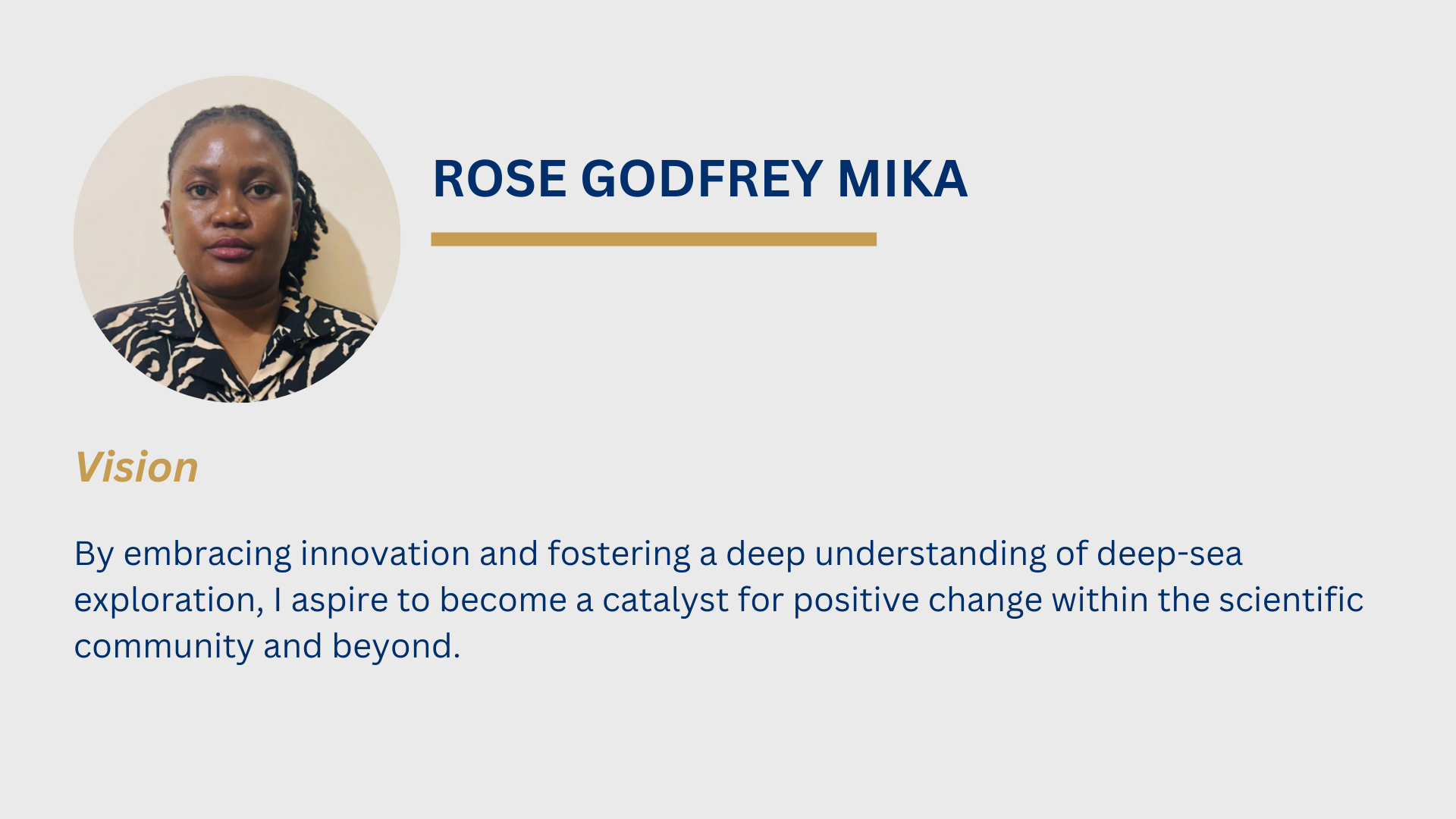
About Rose
Rose Godfrey Mika, a Tanzanian national, holds a Bachelor of Science degree with honours in Environmental Science and Management from Sokoine University of Agriculture (SUA). Rose has pursued professional development as an Environmental Scientist at The Mining Commission, a Permaculture Officer at TanzaniteOne Mining Ltd, and as an Environmental Officer at SHEQ Consult Ltd and Bulyanhulu Gold Mine. Through her participation in the mentorship program, Rose seeks to deepen her expertise in deep-sea-related science and contribute meaningfully to her field.
About Lucy
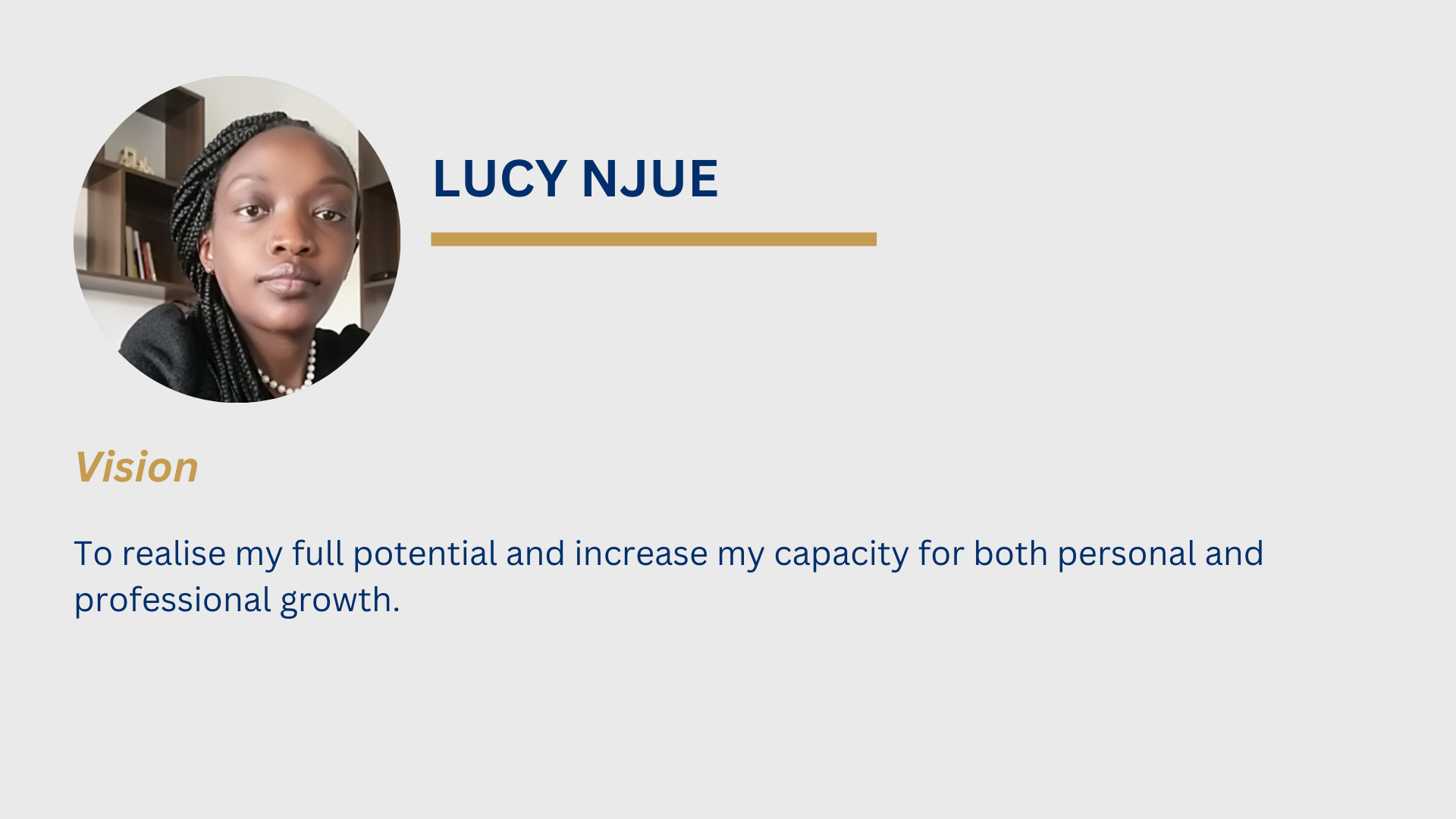
Lucy Njue is a geoscientist with over 16 years of expertise in the geothermal and mining industries. She holds an honours degree from the University of Nairobi and has contributed to regional geothermal training and consultancies. Lucy is proficient in field and borehole geology. As a Senior Geologist at the Geothermal Development Company since 2009, Lucy has played a key role in the Menengai geothermal project, leading the geology section and contributing to strategic development initiatives. Lucy’s consultancy work extends to Tanzania and Rwanda, where she has led geological assessments and well-targeting efforts in the Menengai geothermal field. She has chaired the GDC Technical Exchange Forum and served as Treasurer of the Geology Society of Kenya, demonstrating her leadership in the geosciences community. Lucy has previously served on various committees at GDC, advocating for gender mainstreaming and disability inclusion.
About Randa
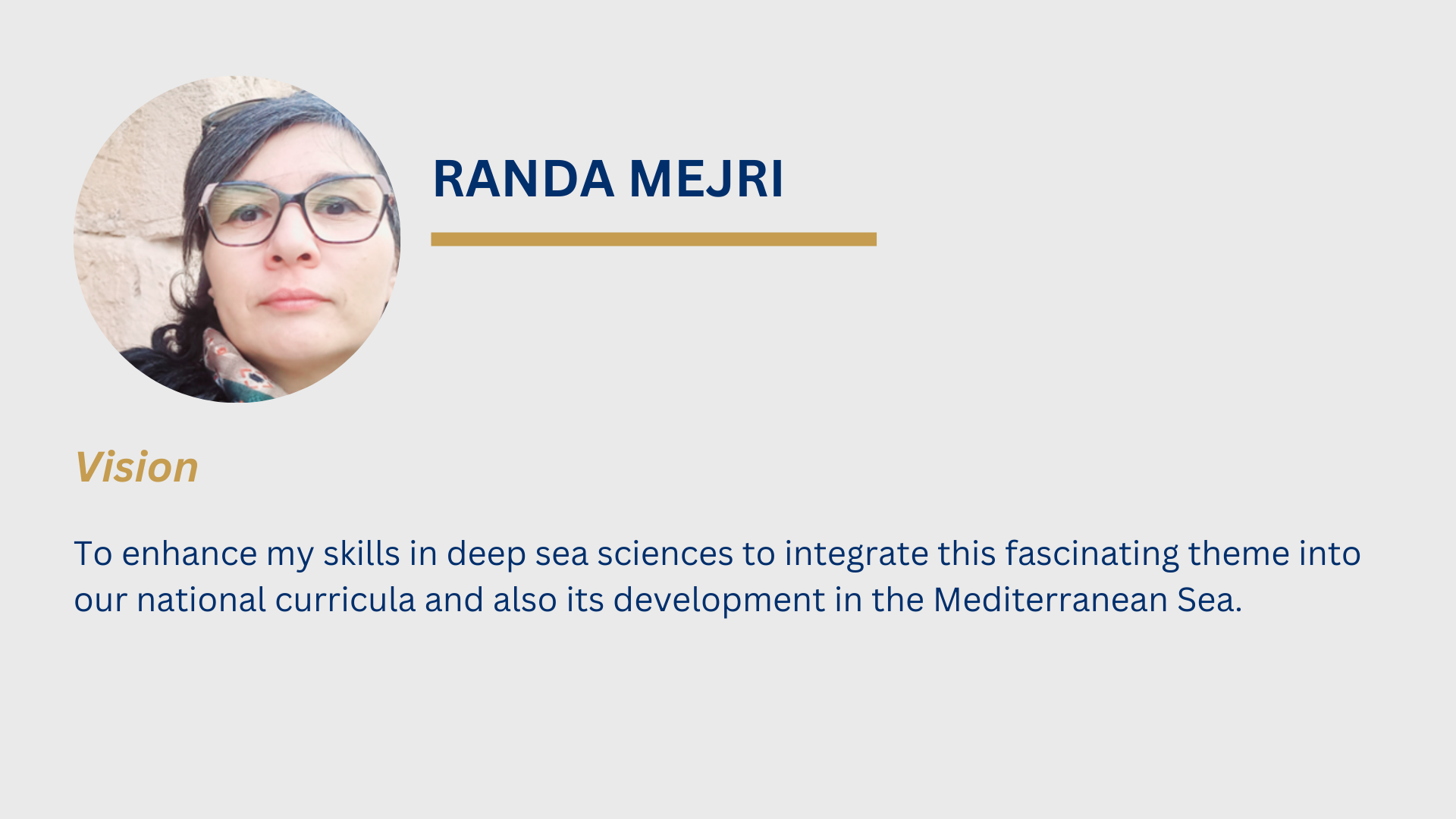
Randa Mejri is an Assistant Professor in marine biology and animal biology at the University of Sfax in Tunisia with extensive experience in marine biology, functional ecology, biogeography, and sustainable development. Randa’s educational background includes a PhD thesis on the checklist of Gobiidae fish species and the morphometric and genetic characterization of Mediterranean populations. She also holds a Master’s degree focusing on biodiversity and the evolution of coastal ecosystems and a Bachelor’s degree in Biological Sciences. Throughout her career, Randa has contributed significantly to scientific research, publishing numerous papers on marine biodiversity, genetic architecture, and coastal dynamics. dditionally, she is involved in various associations and networks, including the Tunisian Association of Doctors and PhD Students in Sciences and the African Network of Deep-Water Researchers.
About Ijeoma
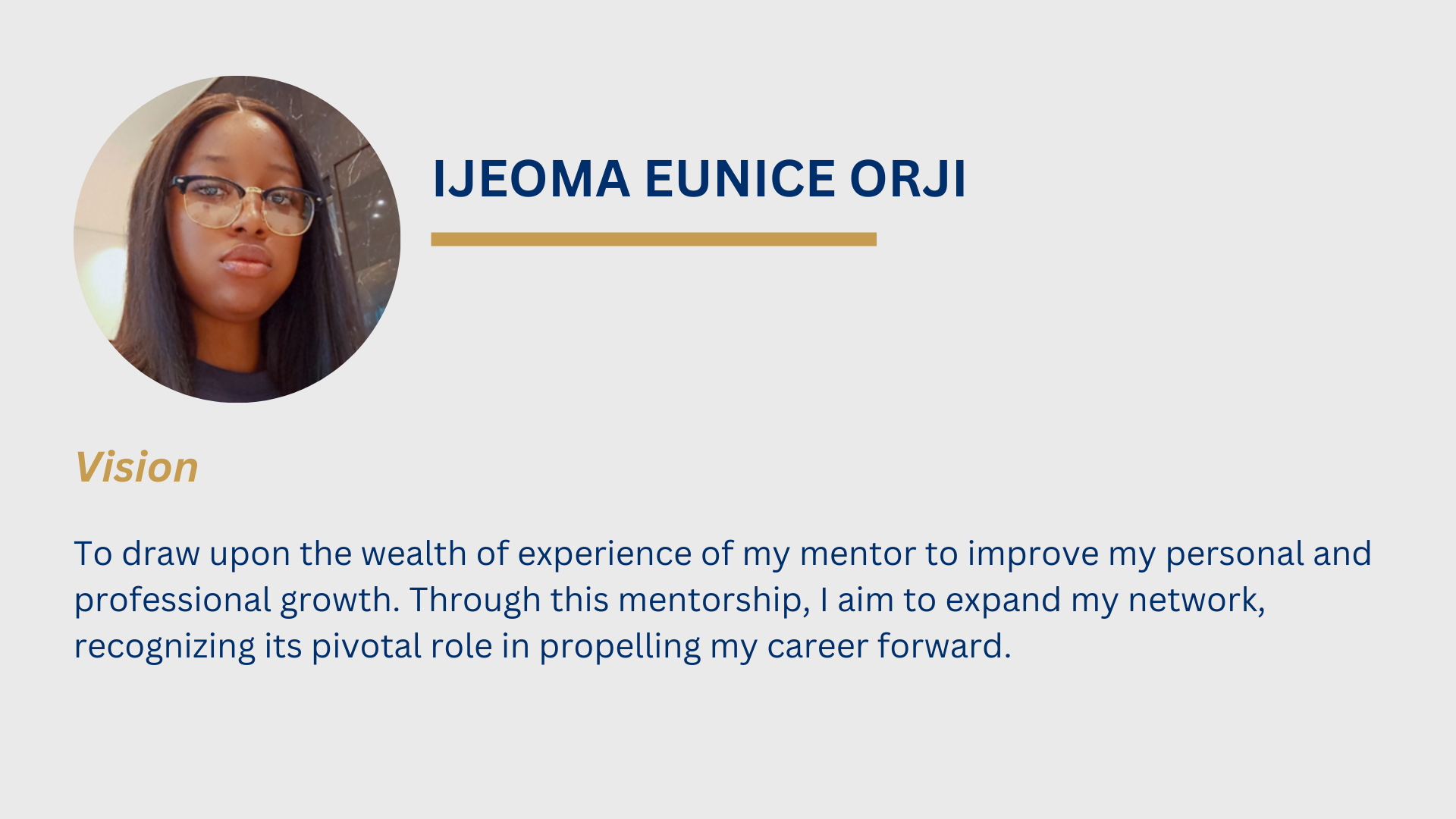
Ijeoma Eunice Orji has a diverse background in naval operations, geology, and hydrography. She has a B.Sc. (Hons) in Geology and Exploration Geophysics from Ebonyi State University in 2016 and has completed the Basic Training Course at the Nigerian Naval College. Her sea experience includes serving as a watchkeeping officer aboard Nigerian Navy ships, where she was responsible for navigation and watchkeeping duties. Transitioning to shore-based roles, Orji has worked at the Nigerian Navy Hydrographic Office since December 2022 as a Staff Officer III Survey Operation/Maritime Safety Information (MSI) Officer. In this capacity, she manages survey data, oversees data processing and quality control, drafts notices to mariners, and prepares survey reports. Beyond her professional pursuits, Orji engages in extracurricular activities such as reading, travelling, cooking, and music.
Call for Applications: Scientific SHE — Second Cohort of Mentees | Deadline: 10 November 2026
Mentor applications
If you are interested in joining this programme as a Mentor, please contact the ISA Secretariat at mentorship@isa.org.jm.
Partnering with us offers real benefits: impact, visibility, networking, and recognition. We welcome financial contributions, resource donations, opportunities for mentees, and endorsements that support the programme and empower women scientists in deep-sea research.
We hope to work with you and other partners to establish a community of practice, advance the ISA Action Plan for marine scientific research, and increase career opportunities for junior women in scientific research.
Moments from the SHE Mentorship Programme
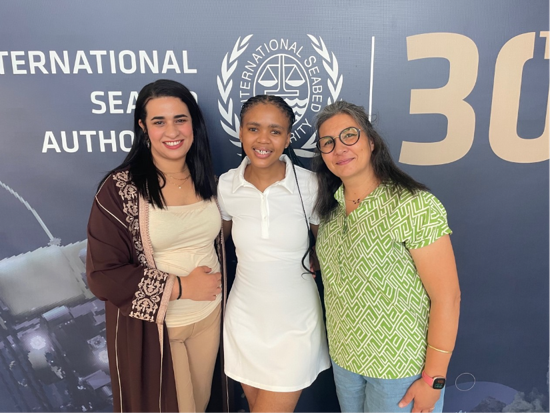
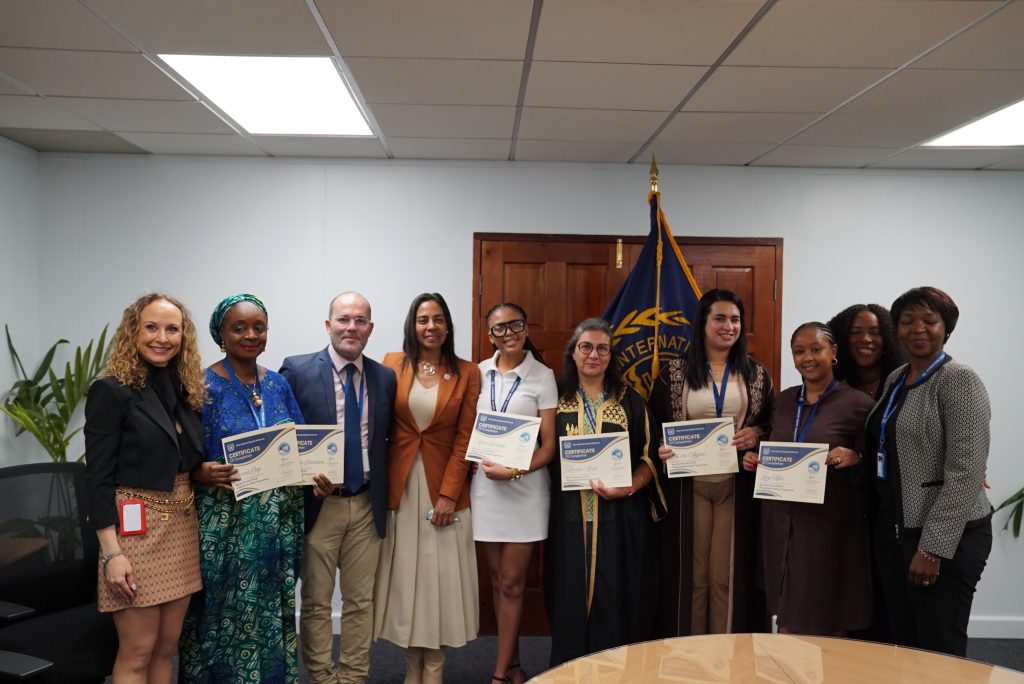
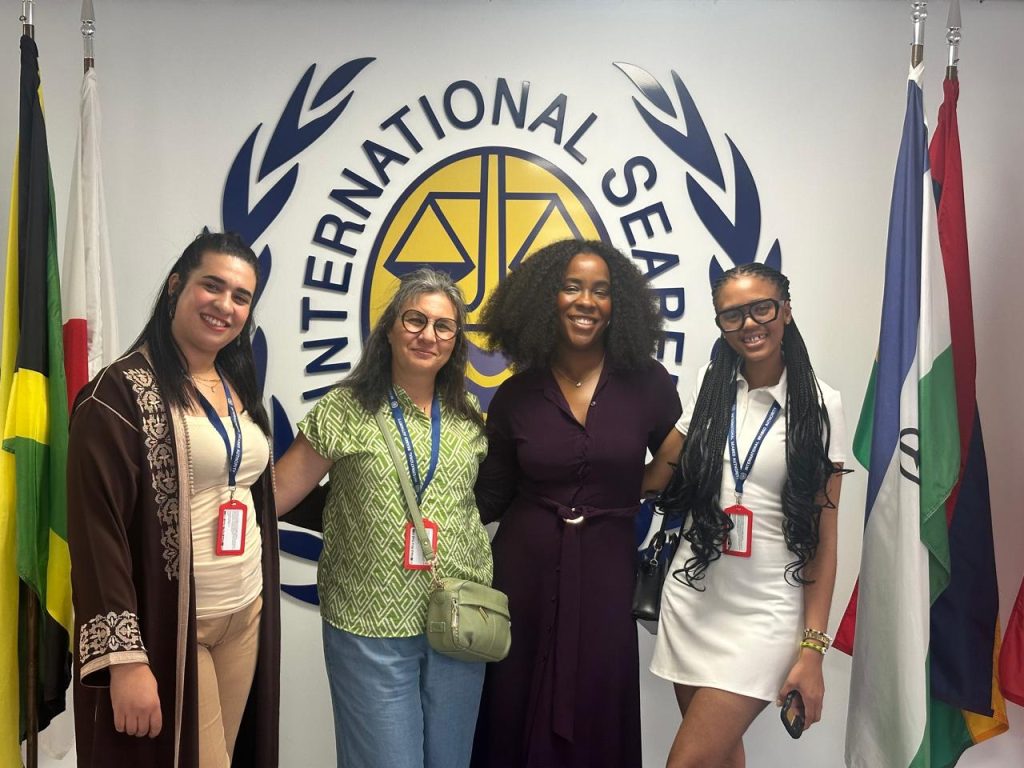
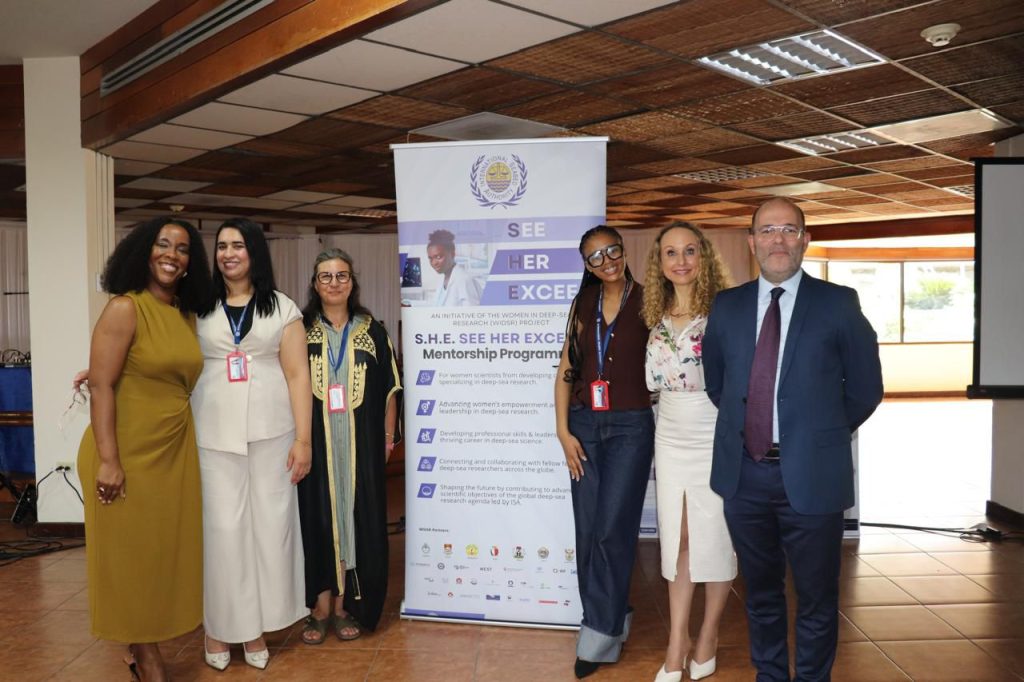
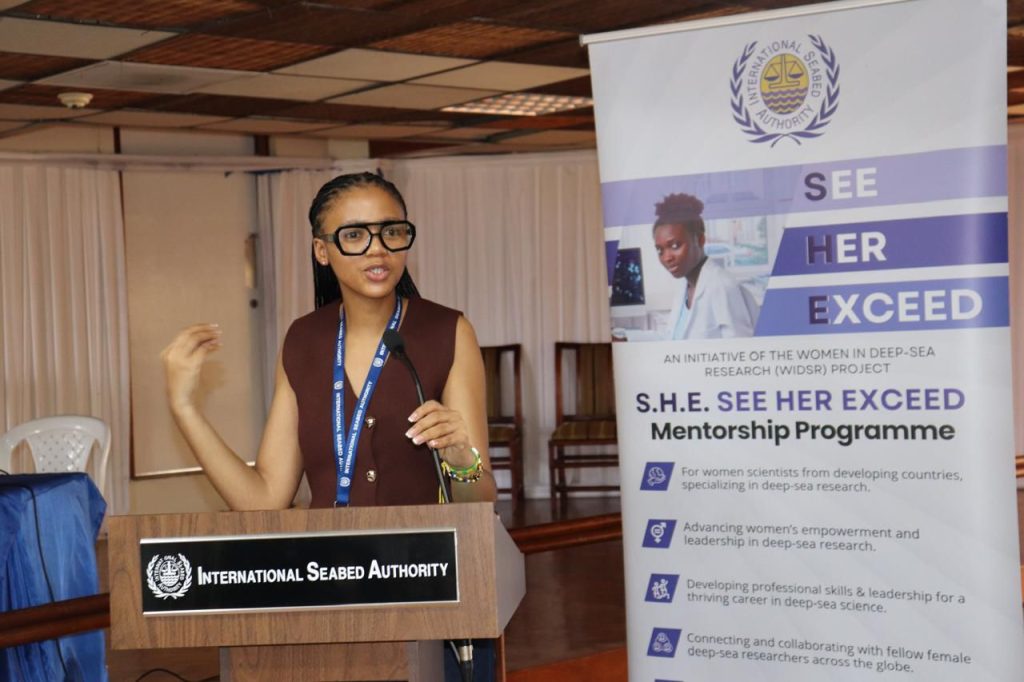
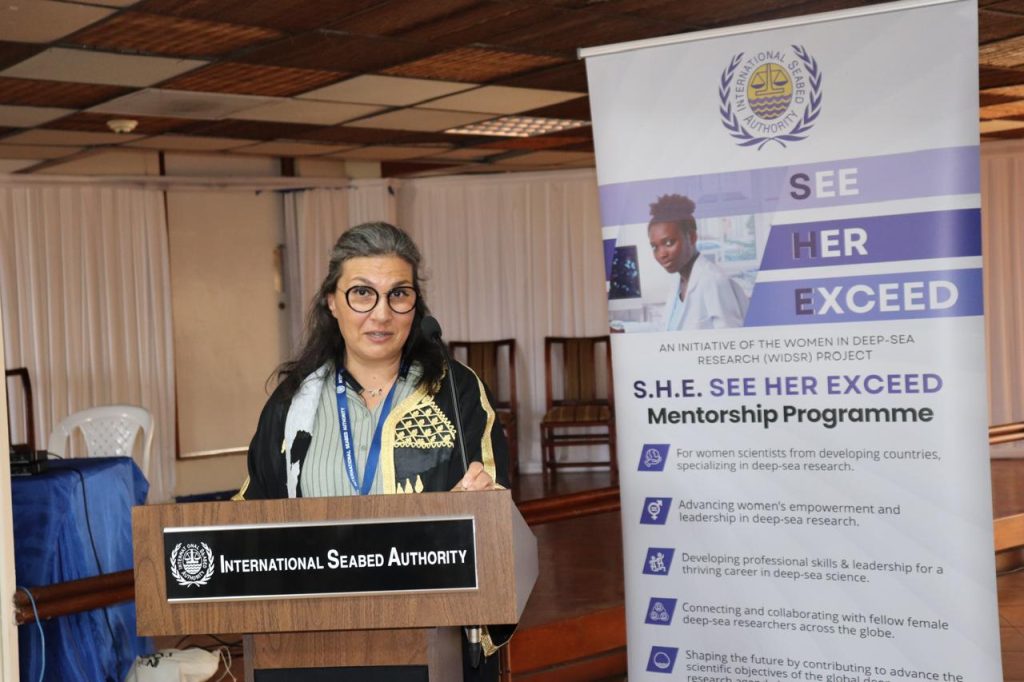
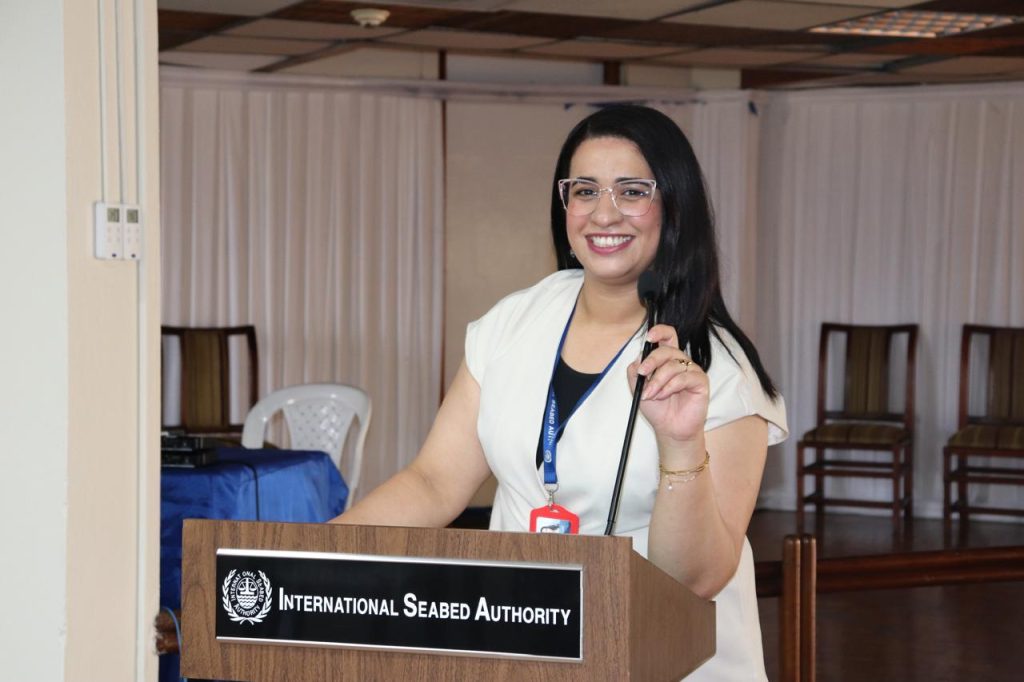
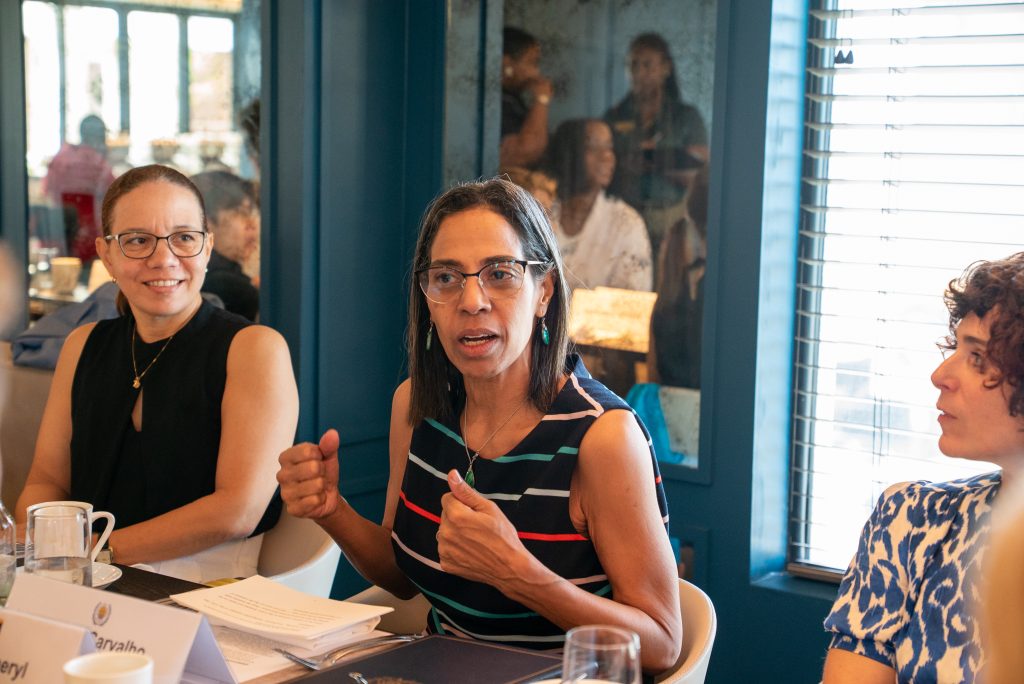
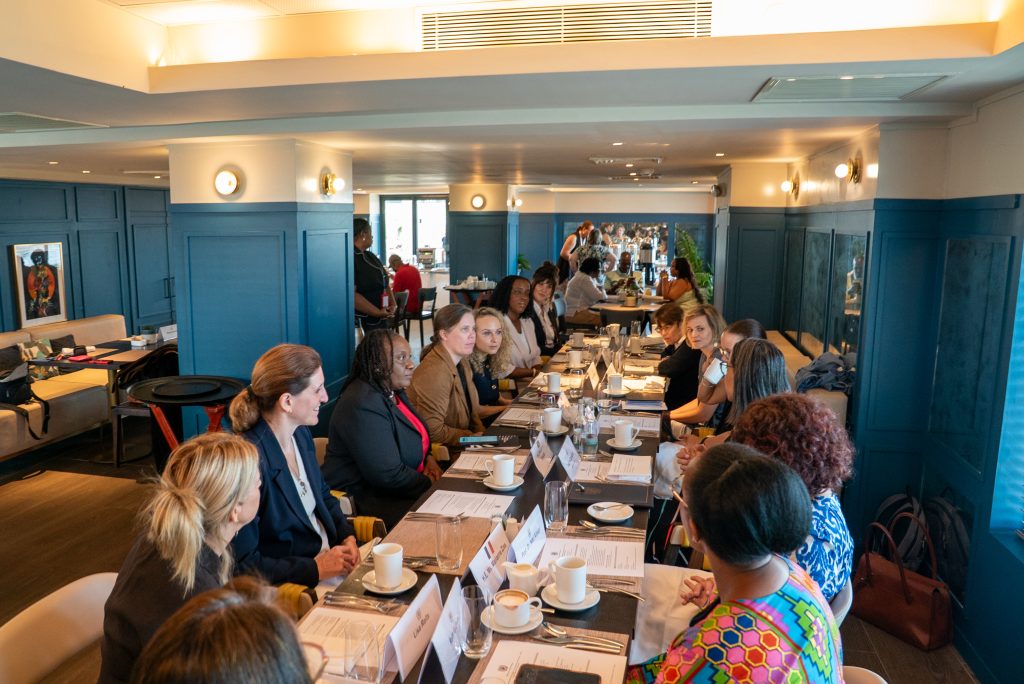
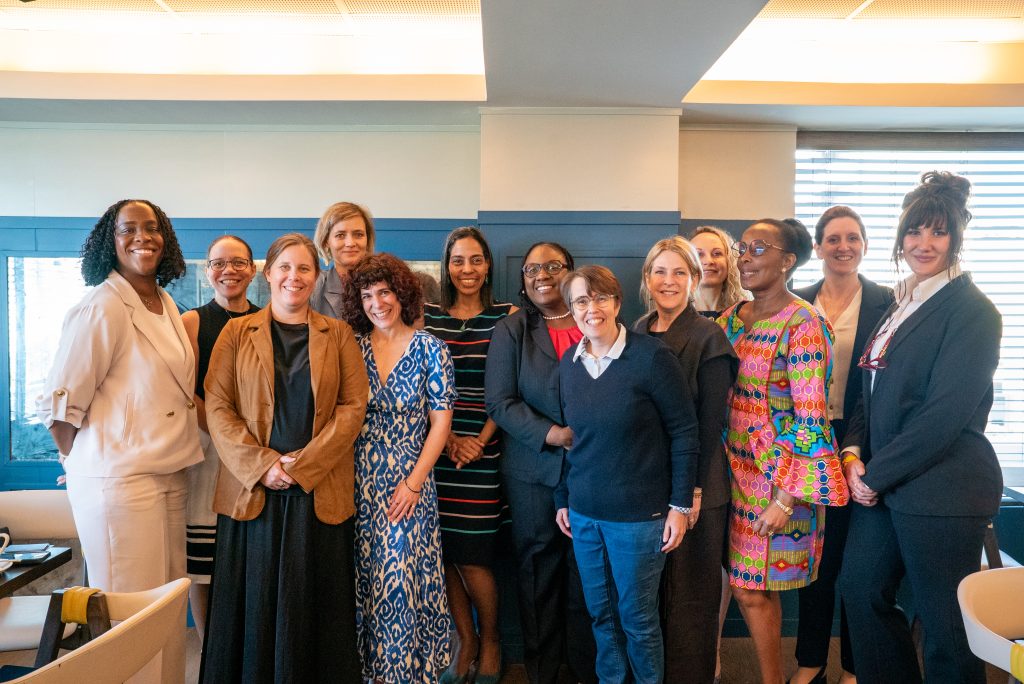
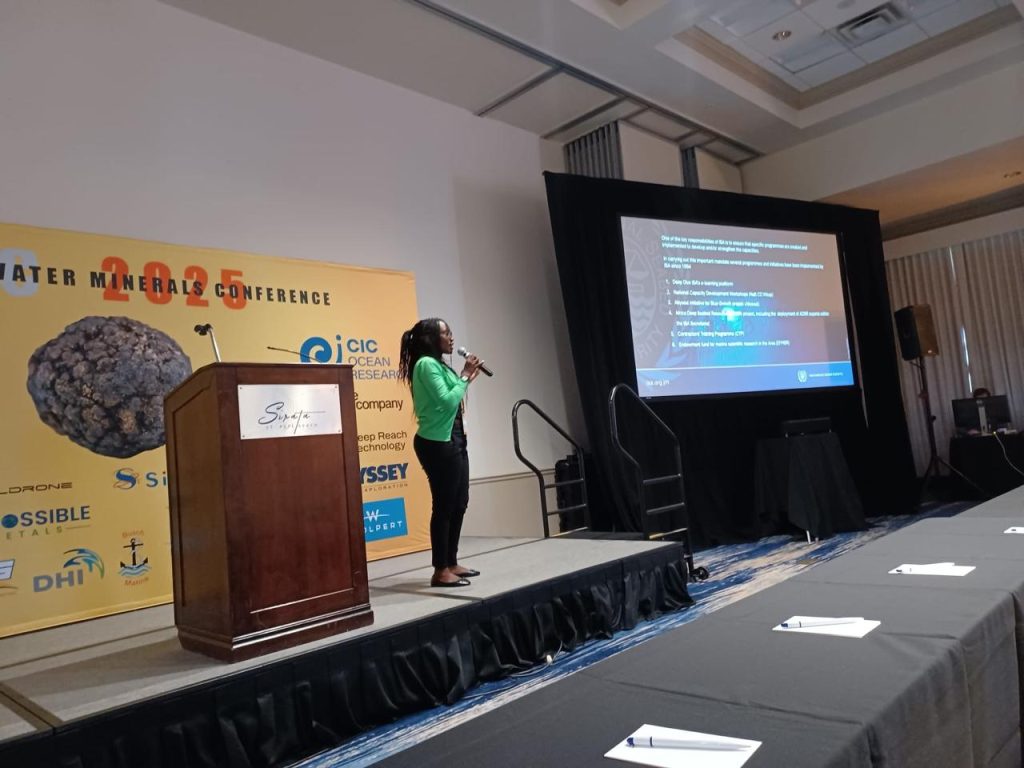
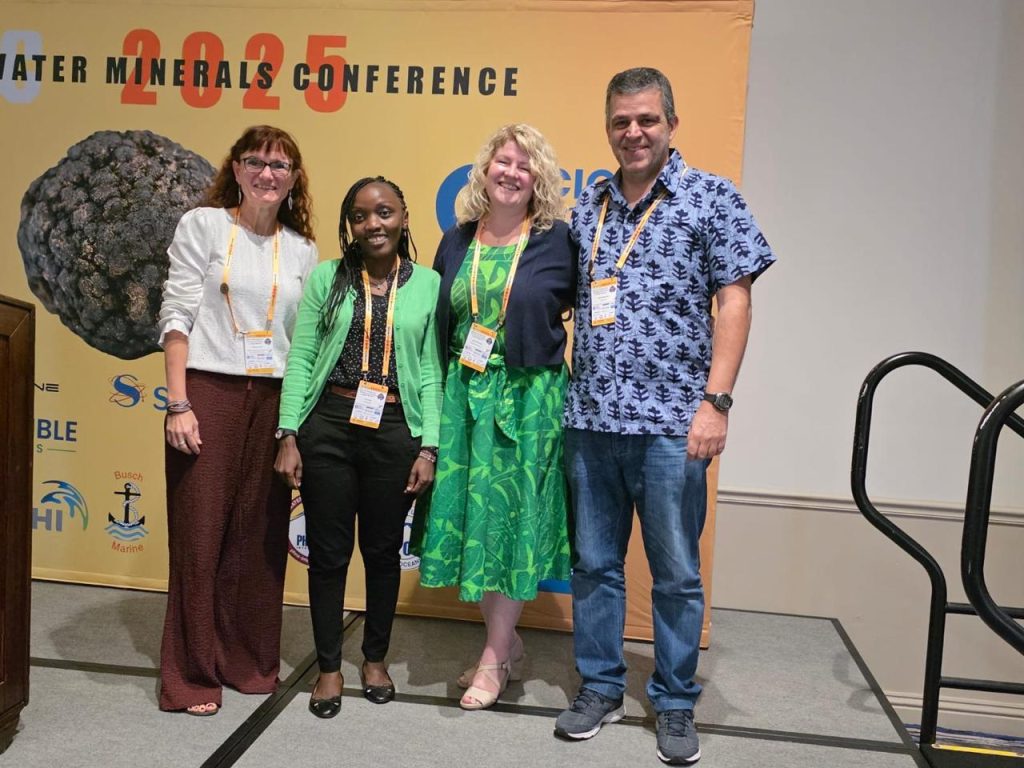
From our launch at ISA Headquarters to mentee showcases at Assembly sessions, these images capture the SHE community in action — mentors and mentees, partners and champions, coming together to advance women’s leadership in deep-sea research.


A framework for the safe, inclusive and equitable participation of women in at-sea activities
An initiative of the See Her Exceed (SHE) Mentorship Programme, under the Women in Deep-Sea Research (WIDSR) project.
Launched 28 July 2026 at a side event during the 31st Session of the ISA Assembly.
A commitment for the safe, inclusive and equitable participation of women in at-sea activities
Developed through the S.H.E. Mentorship Programme, the S.H.E. Gender Compact sets out seven evidence-based commitments to help research institutions, vessel operators, ISA contractors and other ocean stakeholders build safer, fairer, and more inclusive conditions for women in offshore and deep-sea research. It will be formally launched on 28 July 2026 at a side event during the 31st Session of the ISA Assembly.
Read the S.H.E. Gender Compact:
Informed by S.H.E. research
The Compact is grounded in two research outputs from the S.H.E. community:
Advancing gender equity in deep-sea research activities: addressing the barriers to women’s participation in at-sea missions
An anonymous global survey and in-depth interviews with marine professionals, identifying the structural and cultural barriers that limit women’s participation in offshore environments — the evidence base for the Compact’s seven commitments.
Progress in marine scientific research and innovation (2020–2024): an expert analysis by the S.H.E. Global Mentoring Programme
A scientific synthesis of more than 430 publications, produced by the S.H.E. pilot cohort, reviewing progress in marine scientific research and innovation between 2020 and 2024.
 The Women in Deep-Sea Research (WIDSR) project addresses the under-representation of women in marine science by designing tailored capacity-development initiatives that increase participation and build leadership among women scientists from developing States. WIDSR also works to mainstream gender-equity policy among decision-makers in deep-sea research and related academic fields.
A survey of 128 participants across 23 LDCs, LLDCs and SIDS found that 59 per cent of employed women had declined opportunities to work or study abroad — opportunities that can be vital to a career in deep-sea research.
Survey participants also confirmed a key challenge: women studying deep-sea research often lack career guidance — reinforcing the need for a dedicated mentoring programme.
As part of WIDSR, we are extending this commitment through a mentoring programme for women in deep-sea research: SHE — See Her Exceed.
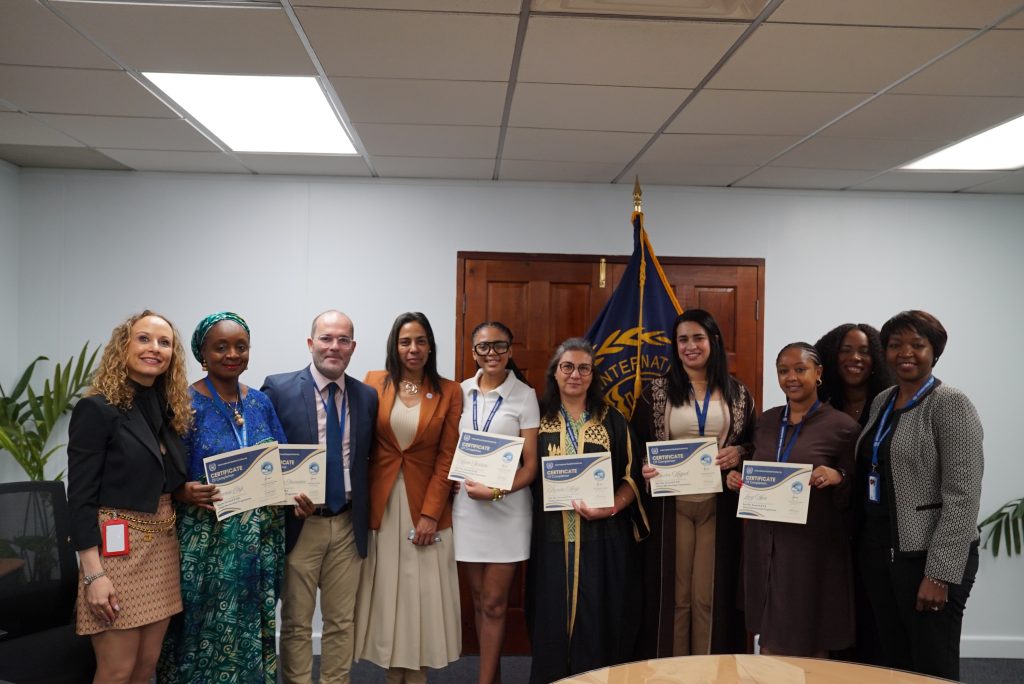
The pilot cohort concluded successfully in December 2025. Its achievements were marked by a high-level breakfast session at the 29th Session of the Council (2024), an official graduation ceremony at the 30th Session of the Assembly (2025), and a December 2025 webinar attended by more than 160 participants from over 35 countries — all delivered with the support of the Government of France, which also awarded a distinction to the programme’s most outstanding mentee. Building on this success, the Secretary-General has designated SHE a flagship initiative under the ISA Action Plan for Marine Scientific Research and is launching its second phase — with two new tracks, Scientific SHE and SHE Law of the Sea — at a side event during the 31st Session of the Assembly on 28 July 2026.
The programme is designed to:
- Facilitate the personal growth and career advancement of women scientists from developing countries specializing in deep-sea research.
- Support professional networks for women scientists in deep-sea-related fields.
- Build professional skills, with a particular emphasis on leadership.
- Break down cultural barriers within deep-sea research and associated career paths.
- Facilitate the contributions of women scientists to the ISA Action Plan for Marine Scientific Research.
Mentees are selected through an application review process and matched with a mentor. Once paired, they outline three goals for personal, professional, and scientific development, aligned with the ISA Marine Scientific Research (MSR) Action Plan.
Throughout the cycle, mentors — senior professionals from diverse deep-sea research disciplines and careers — provide guidance, advice, and support to help mentees reach their goals, ensuring each receives the support she needs to thrive in her scientific career.
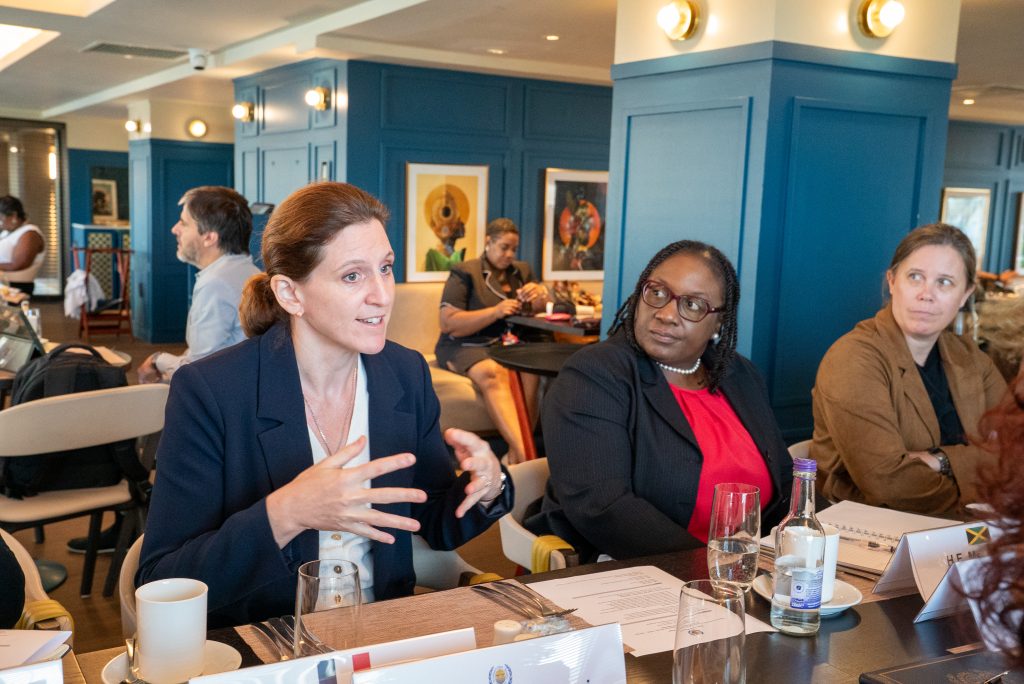
What impact will this mentoring programme have on women in deep-sea science from developing countries?
- Establishment of a community of practice of women scientists in deep-sea research, especially targeting developing countries.
- Advancement of the ISA Action Plan for marine scientific research.
- Increased career opportunities for junior women in scientific research.